Barbary Pirates US Navy: Why America Fought In Tripoli
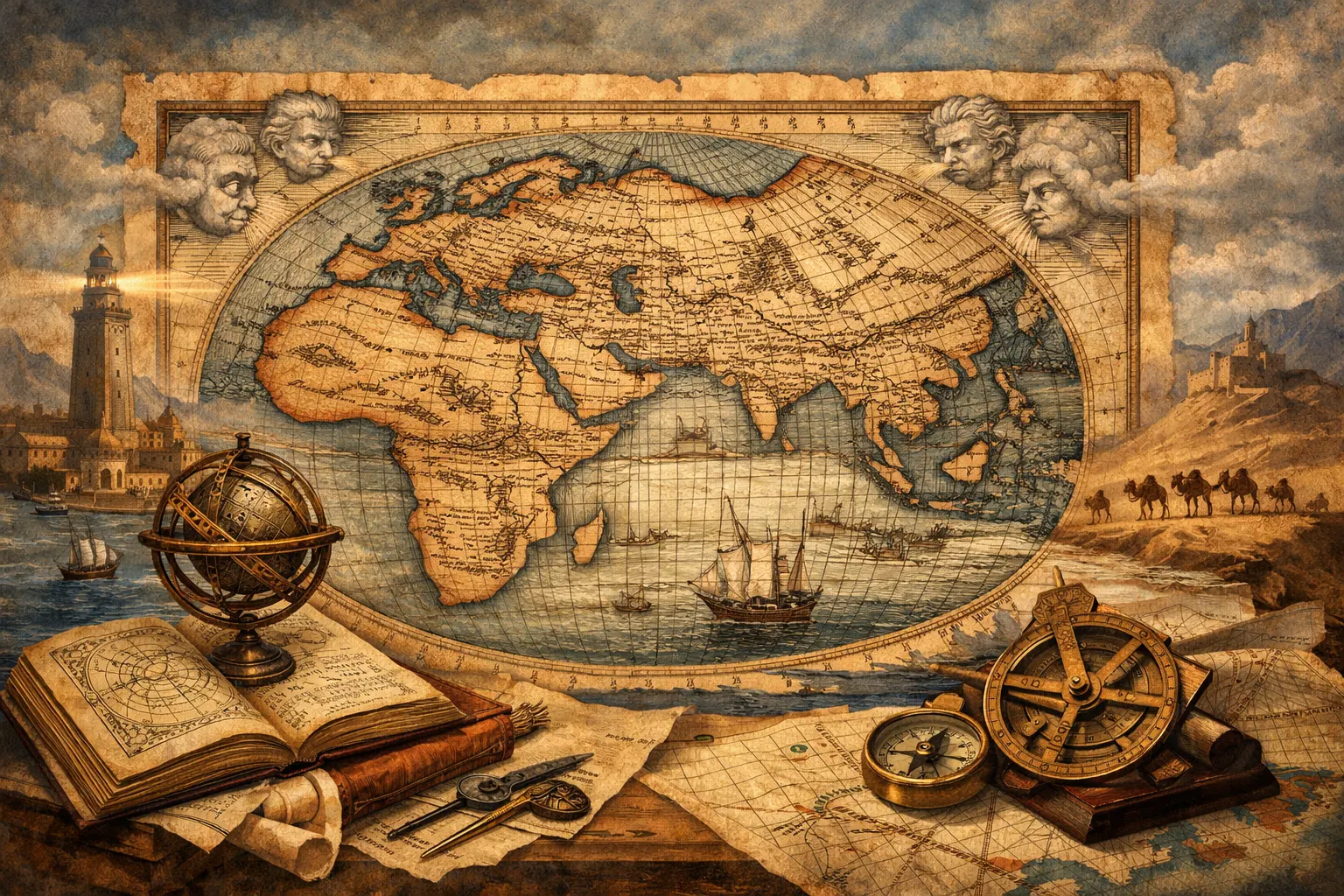
Barbary Pirates US Navy clashes in Tripoli forced a young republic to decide what kind of power it would be. The story spans commerce, diplomacy, and daring raids. It also sits inside a wider era shaped by Jefferson’s choices at home and shifting routes at sea. For context on Jefferson’s world, see Jefferson’s Louisiana Purchase context. For the sea’s deep background in the Mediterranean, explore these Mediterranean seafaring roots.
Historical Context
A young republic without Britain’s shield
After independence, the United States no longer sailed under British protection. American merchants now crossed the Atlantic in their own right, carrying grain, timber, and manufactured goods. In the Mediterranean, tribute-based “protection” was the cost of access. Algiers, Tunis, Tripoli, and Morocco each bargained or threatened to ensure payments.
American diplomats tried treaties and annuities. Money bought time, but not certainty. When regimes changed or envoys offended, demands rose again. Meanwhile, Europe’s wars made neutral shipping both valuable and vulnerable. Insurance premiums climbed. In newspapers, the phrase Barbary Pirates US Navy captured public anxiety about ransoms, seizures, and honor at sea.
The Tripolitan puzzle inside a turbulent sea
Tripoli’s ruler, Yusuf Karamanli, pressed for higher tribute in 1801. When Washington refused, he cut down the consulate’s flagstaff and declared war. This was a regional drama, not a single feud. The Ottoman world and its successors had long balanced sea power, corsairing, and commerce. For the older strategic backdrop that reshaped eastern routes, see this Fall of Constantinople investigation. For how Mediterranean geography channels armies and fleets alike, compare the Hannibal and the Alps timeline.
Key Facts and Eyewitness Sources
From tribute to blockade
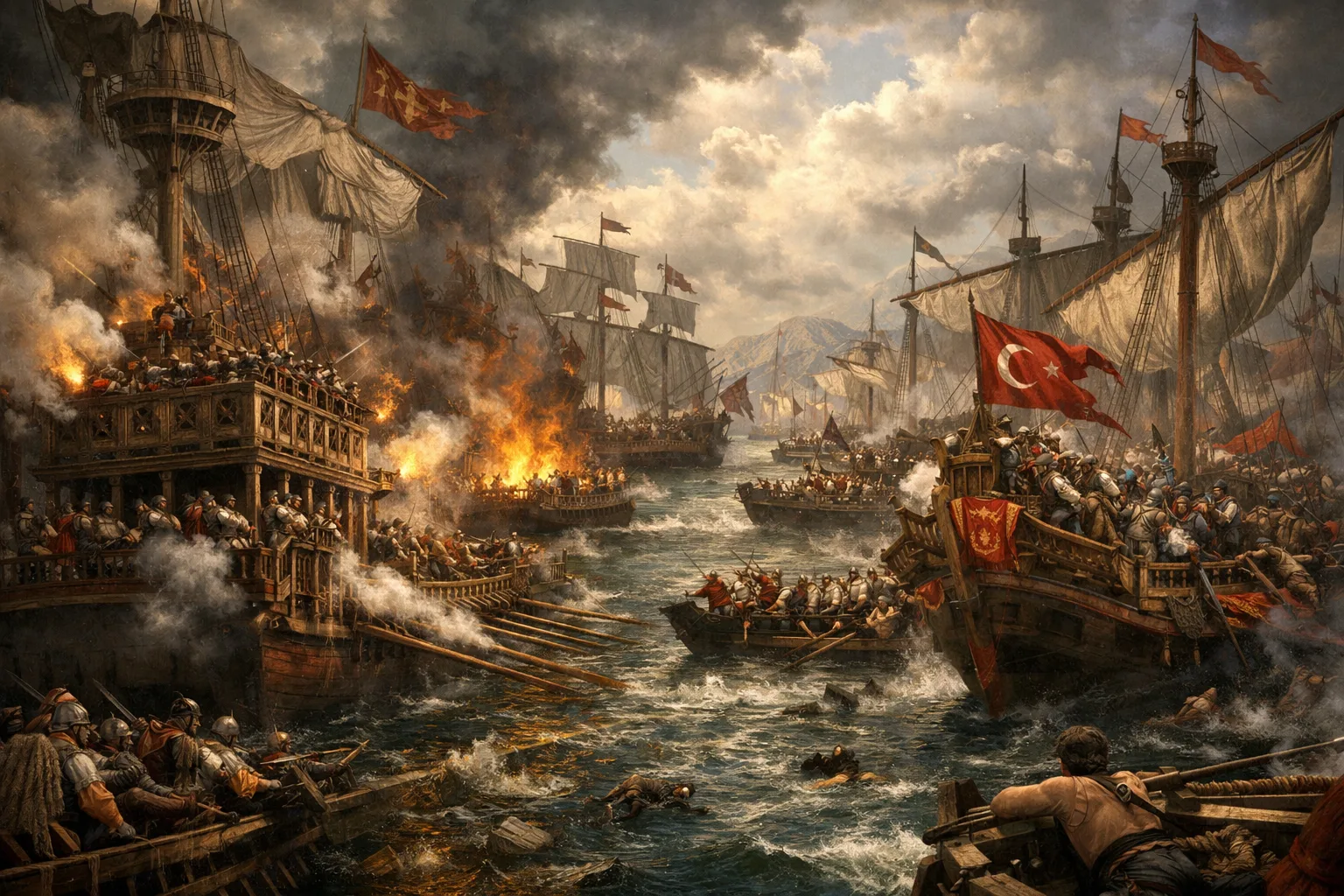
Jefferson sent a squadron under Commodore Richard Dale to protect commerce and pressure Tripoli. The U.S. goal was narrow: end seizures without permanent entanglement. Command rotated to Richard Morris, then Edward Preble, as experience grew. Reports home framed it as a Barbary Pirates US Navy showdown of will. Captains chased corsair gunboats, escorted convoys, and experimented with blockades.
Success was uneven at first. Weather, shoals, and short supplies complicated operations. Still, repeated cruises taught seamanship in contested waters and built a cadre of officers who learned fast.
The Philadelphia’s capture and a night of fire
In October 1803, the frigate Philadelphia ran aground while pursuing an enemy vessel. Tripolitan forces captured ship and crew. The loss threatened morale and gifted the enemy a heavy frigate. In February 1804, Lieutenant Stephen Decatur led volunteers into Tripoli harbor at night, boarded the captured ship, and burned her to the waterline. The raid hardened public support and became a textbook case of audacity under constraints.
Diaries, consular letters, and officer reports describe the tension—quiet oars, disguised approach, and a swift withdrawal as flames rose. The episode entered Naval lore and officer training for generations.
“To the shores of Tripoli” and a negotiated peace
While Preble bombarded Tripoli in 1804, an overland plan unfolded. William Eaton marched with Hamet Karamanli, Yusuf’s deposed brother, from Egypt along the coast. In April 1805, Eaton’s mixed force took Derna, raising the U.S. flag on foreign soil for the first time. Fighting on land and pressure at sea opened space for negotiation.
The 1805 peace ended active hostilities, exchanged prisoners, and reduced the tribute logic to a single settlement. It was not a grand crusade or a complete fix; it was a practical exit that protected commerce and taught lasting lessons about projection, logistics, and coalition management.
Analysis / Implications
What Tripoli taught the republic about power
The Barbary Pirates US Navy episode taught that commerce needs credible force in distant lanes. Diplomacy matters; escorts and blockades matter too. A small, capable fleet can move the needle if commanders share intent and accept risk. The war professionalized officers, clarified ship maintenance and supply, and gave Congress a concrete case for sustained naval funding.
It also knit identity into policy. Americans debated honor, tribute, and the meaning of neutrality. Action in Tripoli signaled that the United States would pay for peace once, but preferred to defend it at sea thereafter.
Why chokepoints and local politics still decide outcomes
Tripoli sat near routes that feed the whole Mediterranean. Gunboats, pilots, and harbor chains turned geography into leverage. That pattern persists. For a modern parallel on how narrow waterways shape power and prices, see why Strait of Hormuz leverage matters. In both eras, small craft and local alliances can challenge larger fleets by exploiting terrain, time, and law.
The lesson is continuity: security at sea is never just ships; it is also agreements, payments, and the politics inside port cities.
Law, treaties, and the message to rivals
Documents finished the job that guns began. Treaties with Barbary states standardized expectations and removed excuses for new demands, at least for a time. For a readable overview of the campaign’s arc and milestones, consult the Naval History and Heritage Command overview. The United States signaled a policy: protect citizens, settle when useful, and avoid permanent colonies in North Africa.
Rivals took note. The precedent foreshadowed later convoy strategies, crisis deployments, and a Navy built to prevent, not just to win, wars.

Case Studies and Key Examples
Enterprise vs. Tripoli, August 1801
Lieutenant Andrew Sterett’s schooner Enterprise fought a corsair near Malta. The fight was sharp and disciplined. After multiple feints under false surrender flags, the American crew disabled the enemy without losing a sailor. This early victory proved the squadron’s training and signaled that the blockade had teeth.
The incident also showed the thin line between piracy and privateering. Paperwork and flags could shift in a heartbeat, which is precisely why consistent, on-scene enforcement mattered.
Burning the Philadelphia, February 1804
Decatur’s raid is often remembered as pure daring. It was also careful planning. Volunteers trained to board in silence. A captured ketch, Mastico (renamed Intrepid), carried them in under disguise. Once aboard Philadelphia, they spiked guns and set combustibles.
The raid’s influence exceeded its immediate effect. It told European observers that American officers could operate with precision. Also it told Congress that investment produced skill. It told the fleet that culture—initiative, cohesion, trust—wins where size alone cannot.
Derna and the march across the desert, April 1805
William Eaton’s column was small—Arab and Greek mercenaries, a handful of Marines, and local allies. Supply lines were fragile. Yet the attack worked, partly because defenders underestimated the force and because naval support closed options for counterattack. The victory became a line in the Marines’ Hymn and a symbol of reach.
That symbolism influenced later doctrine: combine sea power with local partners when direct occupation is costly or unwise. The Barbary Pirates US Navy story here is one of teams and timing, not only of shots fired.
Treaty terms and the price of peace, June 1805
The final agreement ended captures and set a framework for future dealings. It included a payment tied to prisoner exchange rather than open-ended tribute. The language underscored equality and rights of consuls and merchants. For text and historical notes, see the 1805 Treaty of Tripoli.
Treaties functioned as risk insurance. They did not eliminate opportunism, but they raised the cost of breaking rules. When backed by capable ships, the paper held.
Historical Echoes and Cross-Checks
Why maritime mysteries still caution mariners
Sailors then and now face shifting cargoes, sudden weather, and human error. Myths grow in the gaps. For a sober look at one famous case, see this Mary Celeste deep dive. The moral travels well: good seamanship, clear logs, and well-briefed crews beat superstition.
In Tripoli, commanders learned the same discipline under fire. They mapped shoals, rotated patrols, and tracked prizes. Procedure, not luck, cut losses.
How language shaped public support
Newspapers popularized set phrases. “To the shores of Tripoli” turned a distant town into a household name. So did shorthand headlines like Barbary Pirates US Navy. Those words helped Congress justify spending and trained voters to see the sea as a national interest.
Public opinion did not design tactics, but it paid for hulls, rope, powder, and pay. Language translated risk into budget lines.
Conclusion
Tripoli forced the United States to learn fast. Tribute diplomacy met a navy still finding its doctrine. In that crucible, officers practiced blockade, amphibious support, and coalition work. Treaties then locked in gains. The Barbary Pirates US Navy story endures because it explains the durable triangle of trade, law, and force.
If you want to trace how individual courage operates under pressure in another era, read this Jeremiah Denton biography. For a reminder that hype often masks real seamanship challenges, examine these Bermuda Triangle incidents. Different centuries, same lesson: skill and judgment keep both ships and policy afloat.