Did the Trojan War Really Happen? A Fresh Look at Trojan War History
Trojan War History balances myth and evidence. Homer’s epics shaped Western memory, yet archaeology and Near Eastern texts offer a sterner test. To frame the debate, it helps to revisit key figures—like Achilles, the legendary warrior and Hector, Troy’s noble defender—and then step beyond the poetry. What remains when we compare ruins, tablets, and trade routes with the Iliad’s dazzling scenes? This investigation follows the evidence, weighs competing dates, and explains why the question still matters for ancient Mediterranean studies and modern historical method.
Historical Context
Late Bronze Age World and the Homeric Question
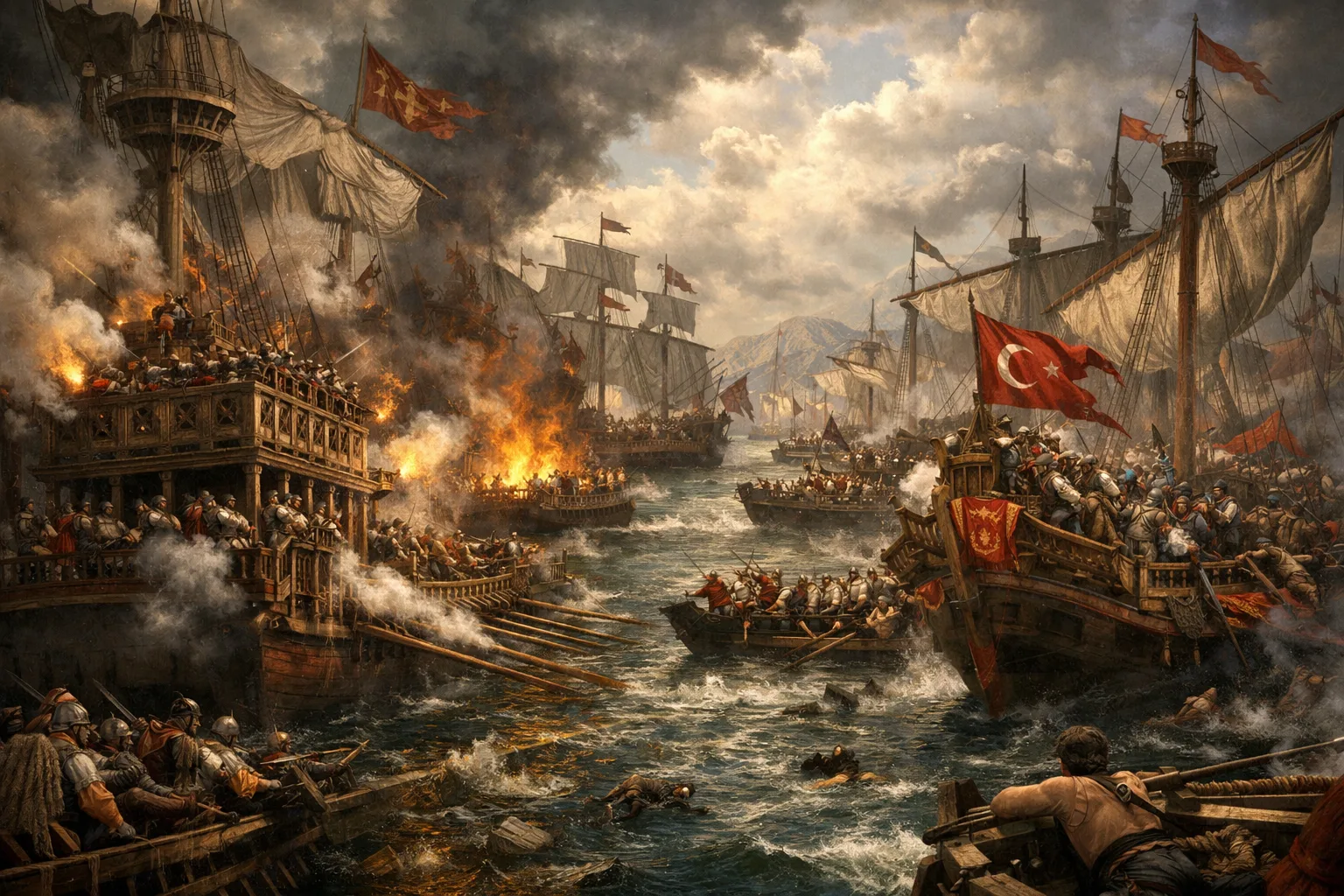
The Late Bronze Age linked the Aegean and Anatolia through commerce, diplomacy, and war. Mycenaean palaces flourished across Greece, while Hittite power stretched in central Anatolia. Scholars often align a possible conflict at Troy with this network of rival city-states and shifting alliances. In this frame, Trojan War History points to a real frontier zone where maritime powers met land empires.
Homer’s poems are not archives. They distill centuries of oral tradition. Yet place names echo history. Many historians see “Wilusa” in Hittite texts as an analogue of “Ilion,” classical Troy. Fortified mounds at Hisarlik, in northwest Turkey, show repeated destruction layers. For a general primer on the site and its legacy, see Britannica’s overview of Troy. These clues locate a plausible stage, even if not every heroic deed belongs to the record.
Seas, Empires, and Contact Zones
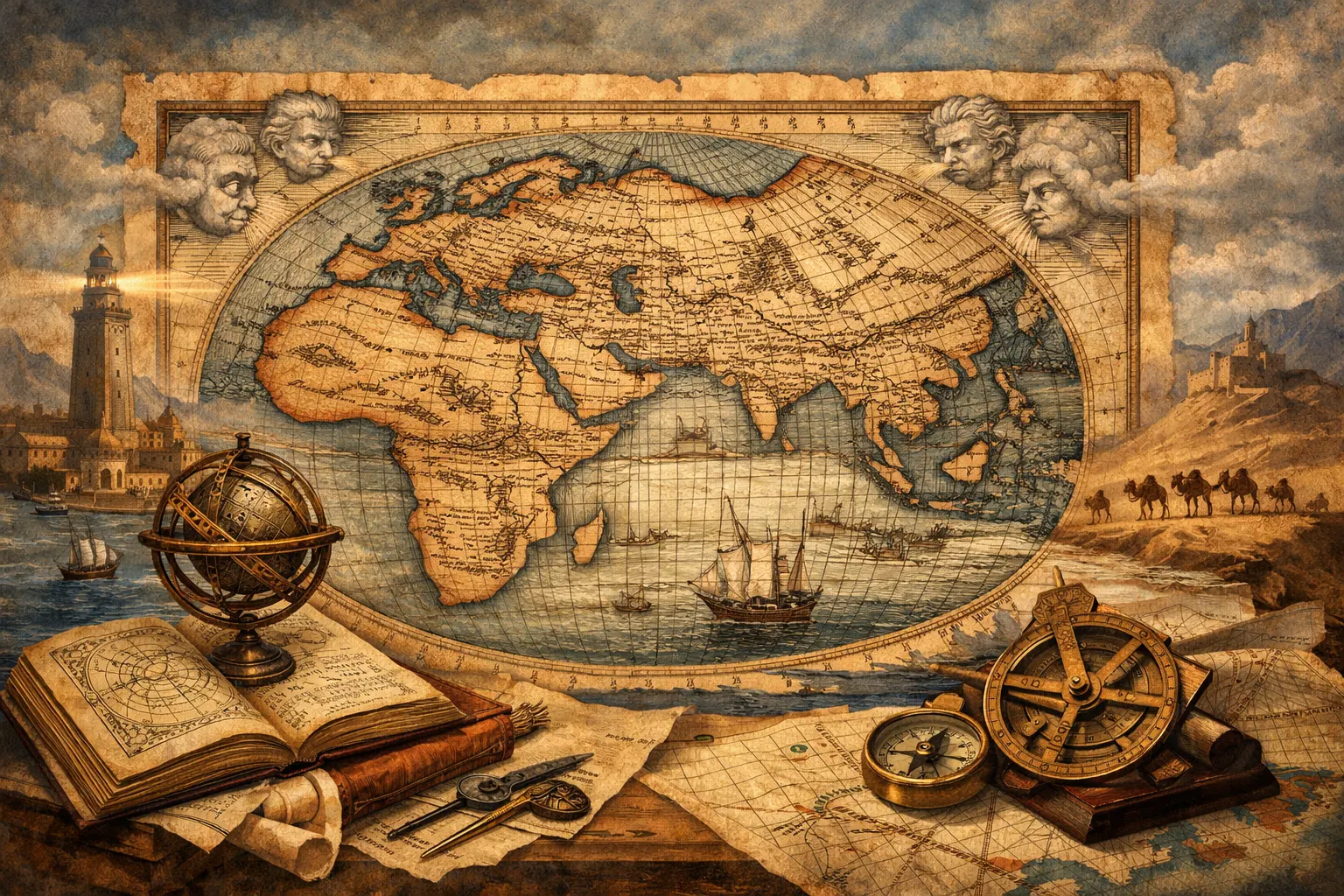
Trade stitched the region together. Seaborne exchange carried tin, copper, and prestige goods from Levantine ports into the Aegean. Understanding those routes clarifies why a small citadel could matter. It sat near the mouth of the Dardanelles, a strategic chokepoint for east–west movement. For broader Near Eastern context, see this guide to the Achaemenid Persian Empire and a maritime perspective in this exploration of Phoenician myths and the sea. Conflict here could disrupt shipping, tribute, and diplomacy—exactly the kind of friction that legends expand into epic war.
Key Facts and Eyewitness Sources
What Homer Offers—and What He Doesn’t
Homer supplies detail, drama, and cultural memory, but not the historian’s scaffolding. The epics assemble formulas, inherited motifs, and heroic ethics. They compress multiple eras into one dramatic siege. Still, the poems preserve names, landscapes, and tactics that sound Bronze Age. That is why scholars read them alongside tablets and potsherds. This is where Trojan War History becomes a triangulation exercise rather than a single-text reading.
Because Homer is not a diary, we reach for external anchors. Hittite correspondence mentions western kings and coastal polities, suggesting political tension on the Anatolian fringe. To calibrate Homer’s narrative voice, compare it with a neutral synopsis like Britannica’s entry on the Iliad. Think of the epic as a cultural lens. It may refract a real conflict, but it also magnifies, merges, and moralizes.
Archaeological Layers at Hisarlik
Excavations at Hisarlik reveal a hill town rebuilt many times. Two layers attract special attention. Troy VI shows powerful fortifications and signs of earthquake damage. Troy VIIa includes cramped housing and evidence of fire. Both align roughly with the twelfth to thirteenth centuries BCE. Pottery styles, imported goods, and weapon fragments add context. These layers show a fortified node capable of facing siege conditions, even if not the decade-long standoff of legend. A comparative approach—used in this analysis of Thermopylae’s myths and evidence and in the scientific unpacking of Tutankhamun’s world—helps separate romance from residue on the ground.

Analysis / Implications
From One Great War to Many Smaller Clashes
The most cautious view says the epic fuses several skirmishes into one grand war. Coastal raids, local rebellions, or punitive expeditions could explain repeated destructions. The strategic corridor near the Dardanelles magnifies even small sparks. Read this way, Trojan War History records a tradition of conflicts rather than a singular, datable siege. Homer’s narrative then becomes a monument of memory, a national epic built atop a braided strand of events.
Another reading admits a single violent episode around the transition to the Iron Age. The broader Mediterranean saw upheavals then—palace collapses, population movements, trade disruptions. A real sack of Hisarlik may sit within that cascade. Its memory persisted because it marked a boundary: between the palace world and the age that followed; between heroic ideals and new realities. The poem preserves how Greeks imagined that boundary, not the exact ledger of losses.
Texts, Toponyms, and the Burden of Proof
Hittite toponyms like “Wilusa” give historians a foothold. Diplomatic letters hint at disputes involving western lords, sometimes aligned with “Ahhiyawa,” often read as Achaean Greeks. Yet these texts never quote Homer’s cast. They draw a geopolitical sketch. Trojan War History advances when we keep genres straight: epics teach values and identity; tablets report negotiations and complaints. Where both point to the same landscape, our confidence rises. Where they diverge, prudence wins.
Case Studies and Key Examples
Hisarlik’s Defensive Architecture
Consider Troy VI’s sloping stone walls and towers. The citadel crowned a hill with commanding views of nearby plains and waterways. Gate complexes suggest controlled access, while storage pits and cisterns imply siege planning. Layer VIIa shows tighter urban plans, perhaps indicating crowding under threat. These architectural choices fit a town expecting conflict. They anchor the epic’s setting in a real defensive logic.
Eastern Mediterranean Signals
Mycenaean pottery turns up in western Anatolia. Anatolian goods appear in Aegean contexts. Such circulation records deep ties and rivalries. If a coalition or kingdom tried to tax or block those flows, violence could follow. This is where Trojan War History intersects with economic history: control of routes, chokepoints, and tribute networks. What looks like a romantic abduction in myth could mask a trade dispute in prose.
Comparative “Myth vs. Dig” Successes
Archaeology has clarified other battles and turning points. The reassembly of finds at Kalkriese confirmed the Roman disaster in Germania. That mix of weaponry, coins, and landscape analysis echoes methods used at Troy. For a concise example of how fieldwork corrects legend and memory, see this study of Teutoburg Forest. It shows how a battlefield emerges from soil rather than song.
Conclusion
So, did the war happen? A sober answer is: something happened. A fortified town at Hisarlik endured catastrophe during the Late Bronze Age. Hittite documents map tensions that fit the region’s profile. Homer’s epics, while not reportage, preserve place names and social codes that ring true. Together, these strands make a real conflict plausible, though not in the exact shape of poetry.
That conclusion matters. It teaches method, not credulity. We weigh texts against trenches, motifs against measurements. We resist both cynicism and blind faith. If this approach resonates, explore campaign realities in this deep dive on Alexander’s campaigns and the longue durée perspective in this investigation of the Roman Empire’s rise and fall. The past enlarges when we let story and science interrogate each other, line by line and layer by layer.