Saladin Biography: The Sultan Who Defied the Crusaders
This Saladin biography follows a remarkable arc from frontier youth to unifier and sultan. It places battles, treaties, and reforms inside their real political context. For background on the faith and power that drove medieval wars, see the Crusades power and faith story. For the wider military stage around the Near East, compare the Alexander the Great campaigns analysis. The result is a clear, human portrait of leadership, strategy, and memory.
Historical Context
From Tikrit to Cairo: Family, Training, and First Commands
Salāh al-Dīn Yūsuf ibn Ayyūb was born in Tikrit in 1137 or 1138. His Kurdish family soon moved to Mosul and then Syria. He served under his uncle, the general Shīrkūh, in Zangid armies. A careful Saladin biography starts with this apprenticeship. It explains how staff work, logistics, and diplomacy shaped a future ruler. Campaigns in Egypt during the 1160s placed him in a crucial arena. There, crusader pressure and Fatimid weakness created both danger and opportunity. After Shīrkūh’s death, Saladin became vizier in 1169. Two years later, he ended the Fatimid caliphate. He recognized the Abbasid caliph and began consolidating power. That move reset Cairo’s allegiance and rebuilt institutions around a new Ayyubid center.
Trade and pilgrimage tied Egypt to Syria and the Red Sea. Armies marched on grain and credit, not only courage. For the economic corridors that linked his world, see the Silk Road trade network overview. By the mid-1170s, Saladin held Egypt firmly and moved to reunify Syria. He negotiated when useful and fought when necessary. He faced rival claimants, local lords, and crusader raids. Step by steady step, he fused provinces into a workable realm. That blend of patience and pressure would define his later wars.
Key Facts and Eyewitness Sources
Chroniclers, Records, and the Leader Behind the Myth
This Saladin biography benefits from cross-checking Arabic and Latin sources. Bahāʾ al-Dīn ibn Shaddād wrote an admiring but detailed life. Imād al-Dīn al-Isfahānī recorded chancery letters and campaigns. Latin authors like William of Tyre and later continuators help triangulate events. Archaeology and charters add material anchors to the story. For a reliable overview of dates and offices, consult the Encyclopaedia Britannica entry on Saladin. Evidence shows a ruler who preferred sieges and maneuver over rash charges. He prized negotiation, logistics, and reputational capital.
Institutions, Law, and the Wider Map
Armies need administration, not only banners. Saladin reorganized tax flows and military fiefs to support field forces. He invested in citadels, garrisons, and coastal defense. Truces funded recovery; diplomacy shaped borders. His chancery framed victory as justice, not mere conquest. The coastal cities and inland routes reveal a security system as much as a battlefield. For a larger imperial backdrop that shaped norms of rule, see this discussion of Roman Empire rise and fall, which highlights how states endure or fail. Read this way, Saladin biography becomes a case study in how leaders turn momentum into stable governance.
Analysis / Implications
Statesmanship, Strategy, and the Politics of Restraint
In any Saladin biography, the hardest lesson is restraint. He often avoided set-piece battles when the odds were vague and wore down enemies, cut water, and targeted supply. He protected flanks before advancing. The goal was not glory but position. Mercy, too, served policy. Sparing captives won allies and softened resistance. When harsh measures came, they followed calculated lines. The system he built survived his illnesses and long campaigns. That durability is a sign of depth, not chance.
Chivalry, Memory, and the Stories We Tell
Saladin’s image crossed cultures early. Crusaders feared him, yet praised his honor. Later writers smoothed edges and amplified virtues. Myth can hide the admin grunt work beneath the legend. To see how later eras reshape reputations, compare this guide on Renaissance “turning point” myths. Memory is power. It directs schoolbooks and policy alike. A balanced Saladin biography holds praise and critique together. It separates courteous ritual from cold strategy. It keeps the human scale in view: roads, pay chests, and letters.

Case Studies and Key Examples
Hattin (July 4, 1187): Fire, Thirst, and a Broken Army
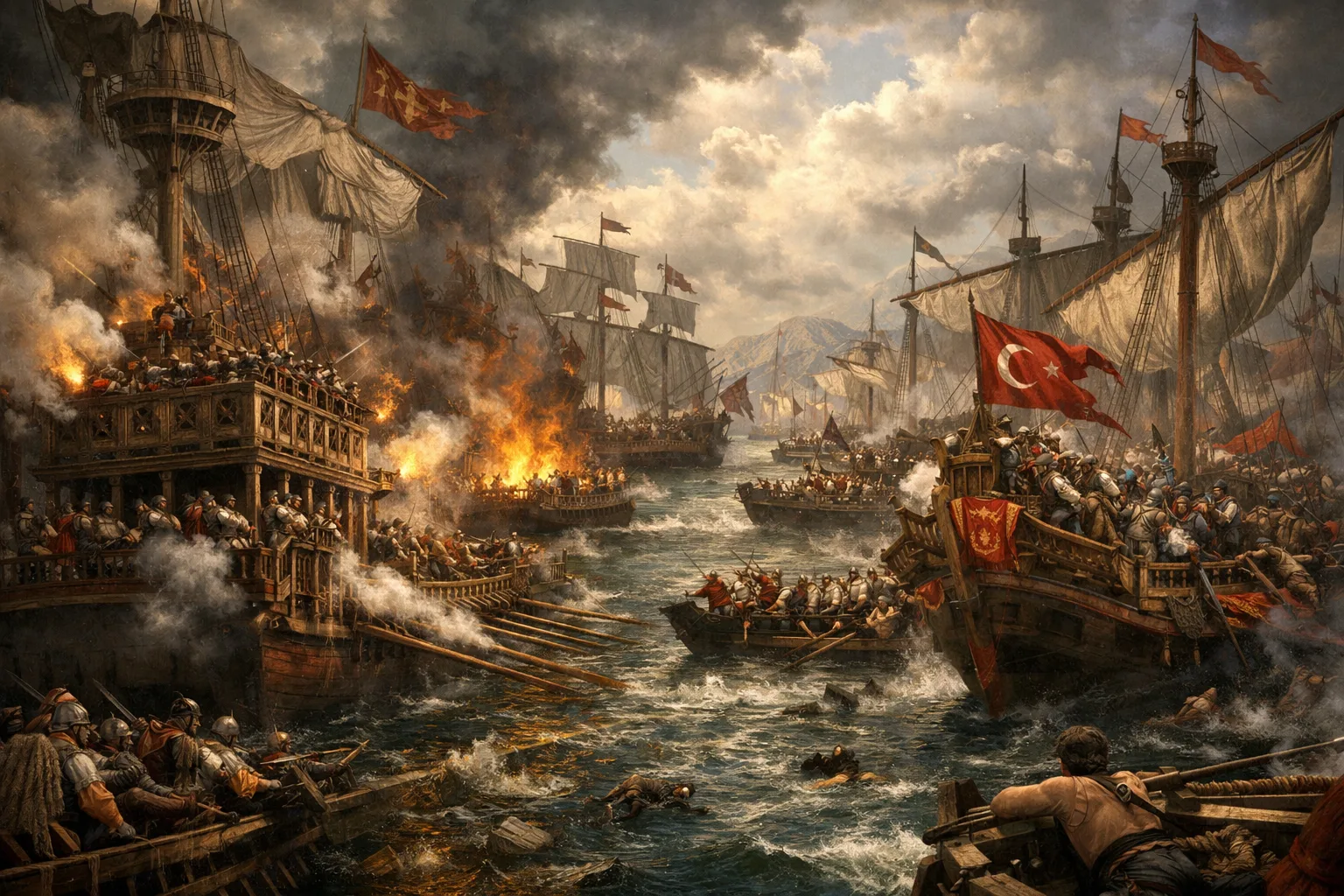
Hattin was not luck. It was setup and timing. Saladin lured the crusader host away from water, then boxed it on harsh ground. Heat, smoke, and cavalry harassment cracked cohesion. The True Cross was taken; the army shattered. This Saladin biography treats Hattin as logistics turned into victory. For a concise reference, see Britannica’s battle summary. The win opened the coast and exposed Jerusalem. It also shocked Europe and triggered fresh crusading vows.
Jerusalem (October 2, 1187): Capture and Controlled Mercy
Jerusalem surrendered after a brief siege. Negotiations spared a massacre. Ransoms freed many inhabitants; others left under escort. Access for Christian pilgrims continued under agreements. Jewish communities returned. The policy mixed piety with prudence. Control mattered more than vengeance. The city’s administration was reorganized, but care was taken to avoid needless ruin. The decision served legitimacy at home and abroad.
Arsuf and the Jaffa Truce (1191–1192): Setbacks, Stalemates, and a Durable Coast
Richard I won at Arsuf in 1191, but could not retake Jerusalem. Geography and supply chains favored defense. Saladin preserved interior control while conceding a fortified coastline. The 1192 truce fixed a workable frontier and ensured pilgrim access. War shifted to garrisons and diplomacy. For a comparative lens on how hero tales blur facts, read the study of Thermopylae myths, facts, and evidence. Strategy is rarely a clean duel of champions; it is the patient craft of limits.
Conclusion
Seen whole, this Saladin biography is the story of a builder who fought only to secure a map he could hold. He fused provinces, financed armies, and chose sieges over rash glory and won Hattin, took Jerusalem, and ended the Fatimid line without burning Cairo. He showed that mercy, used well, is a form of power. If you enjoy state-craft more than swordplay, compare the Hadrian biography on consolidation. For an ethical counterpoint on warrior codes and reputation, explore how the Samurai code shaped history. Read with caution but also with empathy. Behind banners and legends, you will find letters, ledgers, and roads—the true tools of rule.