Silk Road Trade Network: From Origins to Aftermath — Silk Road Trade Network Origins To Aftermath
Silk Road Trade Network Origins To Aftermath is more than a timeline—it is a story of empires, ideas, and people on the move. From camel caravans in the Tarim Basin to ships rounding Africa, the routes bound Eurasia together. To frame the politics behind these exchanges, see the informed context on the Achaemenid Persian Empire and the long arc in the rise and fall of the Roman Empire. In this article we trace origins, peak, decline, and the afterlife of the network, keeping facts clear and implications practical.
Historical Context
From Early Empires to the First Arteries
Centuries before anyone coined “Silk Road,” imperial systems stitched routes into workable corridors. The Han court secured garrisons along the Hexi Corridor. Parthian and Kushan realms bridged Iranian and Indian zones. Roman demand for Chinese silk met eastern demand for Mediterranean glass and silver. Oases like Dunhuang, Turfan, and Samarkand served as hubs, where translators, merchants, and monks exchanged stories and goods. Any account of Silk Road Trade Network Origins To Aftermath begins with these layered, overlapping corridors rather than a single highway.
Religion rode with commerce. Buddhism spread from northern India into Central Asia and China; Manichaeism and Nestorian Christianity followed later. Techniques moved too—sericulture secrets, paper, and new metallurgies. Roads mattered, but so did policy: tax breaks for caravans, policing of passes, and standardized measures that made prices legible across distance.
Stability, Shocks, and the Medieval Pivot
Political stability waxed and waned. Periods like the Tang era created safer transit; civil wars and frontier raids could choke it. The Antonine Plague and later pandemics rode trade arteries as readily as incense and spices. For a human lens on leadership under strain in the high empire, see this Marcus Aurelius biography, which sits near an early pandemic linked to long-distance movement.
By the late medieval period, Mongol unification would briefly harmonize Eurasia, then fracture. Maritime alternatives matured, but land routes still mattered for regional exchange. Across these turns, cities adapted—warehouses, caravanserais, and money-changers formed the indispensable infrastructure of everyday trade.
Key Facts and Eyewitness Sources
What Moved, Who Paid, and How Far
Silk had prestige, but the manifest was broader: horses, woolens, glassware, paper, pepper, dyes, furs, and medicines. Caravans segmented trips; few travelers crossed the full distance. Duties at passes funded states and secured roads. When people picture Silk Road Trade Network Origins To Aftermath, they often miss this relay logic and the diversity of cargo. For a concise overview of routes and exchanges, consult Encyclopaedia Britannica’s Silk Road entry, which emphasizes networks rather than a single road.
Eyewitnesses preserved texture. Chinese dynastic histories listed tribute and gifts. Sogdian letters exposed the risks of debt and banditry. Islamic geographers recorded distances, currencies, and climate. Later, travelers like Ibn Battuta and Marco Polo mapped customs and currencies for readers back home. These voices show a lived economy—pricing a horse, bargaining for pepper, buying insurance for a risky pass.
Courts, Pilgrims, and Confessional Routes
Political and religious travel reinforced exchange. Envoys carried luxury gifts that doubled as diplomatic tools. Pilgrimages—from Buddhist journeys to Dunhuang to Christian and Muslim circuits—tied ports and caravan cities into seasonal calendars. Crusading centuries disrupted and redirected flows while expanding Mediterranean finance. For a balanced window on belief, war, and commerce in that era, see the Crusades power and faith overview. It helps situate how ritual and revenue moved together across frontiers.
Analysis / Implications
Economies of Scale: States, Money, and Risk
Long-distance trade worked when states reduced frictions. Tariff schedules, safe-conducts, and caravan escorts lowered risk premiums. Coinage and later paper money broadened liquidity; credit instruments let capital move without metal. A core thread in Silk Road Trade Network Origins To Aftermath is how rulers monetized motion—turning distance into revenue, then reinvesting in roads and posts. When policing failed, banditry raised transaction costs, routes shifted, and marginal cities declined.
Merchants hedged with partnerships and insurance. Diasporic communities—Sogdians, Armenians, Jews, and later Italian firms—shared language, law, and trust, reducing information asymmetry. Their letters, seals, and contracts reveal a corporate world before corporations.
Culture on the Move: Ideas, Taste, and Identity
Trade reworked identities. Buddhist art at Dunhuang absorbed Iranian motifs; Abbasid craftsmen borrowed Chinese techniques; European tastes changed with spices and textiles. Knowledge moved with goods—astronomy, algebra, cartography, and pharmacology gained new vocabularies as scholars translated texts. In modern economic terms, the network scaled “learning-by-travel.” A second pattern in Silk Road Trade Network Origins To Aftermath is memory: later empires invoked older routes to legitimize new projects, from dynastic roads to railways.
These cultural echoes endure in languages, cuisines, and arts. They also complicate any simple east–west story; the network was polycentric, with many middles.

Case Studies and Key Examples
Pax Mongolica: Security, Speed, and the High-Water Mark
In the thirteenth and fourteenth centuries, Mongol rule knotted circuits from the Black Sea to northern China. Relay stations stocked remounts; passports sped trusted travelers. Crafts and maps crossed imperial lines as scholars relocated or were recruited. Silver flows stabilized some markets, while paper money spread in Yuan domains. This consolidation boosted volume but also synchronized shocks. The very integration that aided merchants amplified crises. These decades reveal the mechanics behind Silk Road Trade Network Origins To Aftermath during its most integrated phase.
Sogdian Middlemen: How a Diaspora Ran the Relay
Sogdian merchants, based in cities like Samarkand and Bukhara, specialized in brokerage. They handled credit, translation, and risk-sharing. Their letters—some found near Dunhuang—describe defaults, storms, and political upheavals that threatened cargo and reputation. Zoroastrian rites sat beside Buddhist patrons in a cosmopolitan milieu. Artifacts show linear scripts on textiles and contracts sealed with intaglios. Their story clarifies a key lesson of Silk Road Trade Network Origins To Aftermath: infrastructure is social as much as physical.
Pandemics on the Move: The Black Death
The fourteenth-century plague likely traveled via steppe ecosystems, caravan hubs, and maritime legs. Genoese ships leaving the Black Sea carried contagion to Mediterranean ports, then inland. Mortality disrupted labor markets, land tenure, and tax bases from Cairo to Florence. Cities rethought sanitation and ritual; religious and ethnic scapegoating scarred communities. Yet recovery brought innovation: new credit forms, guild adjustments, and sometimes higher wages. Disease did not end exchange; it changed its rules.
From Caravan to Carrack: The Maritime Turn
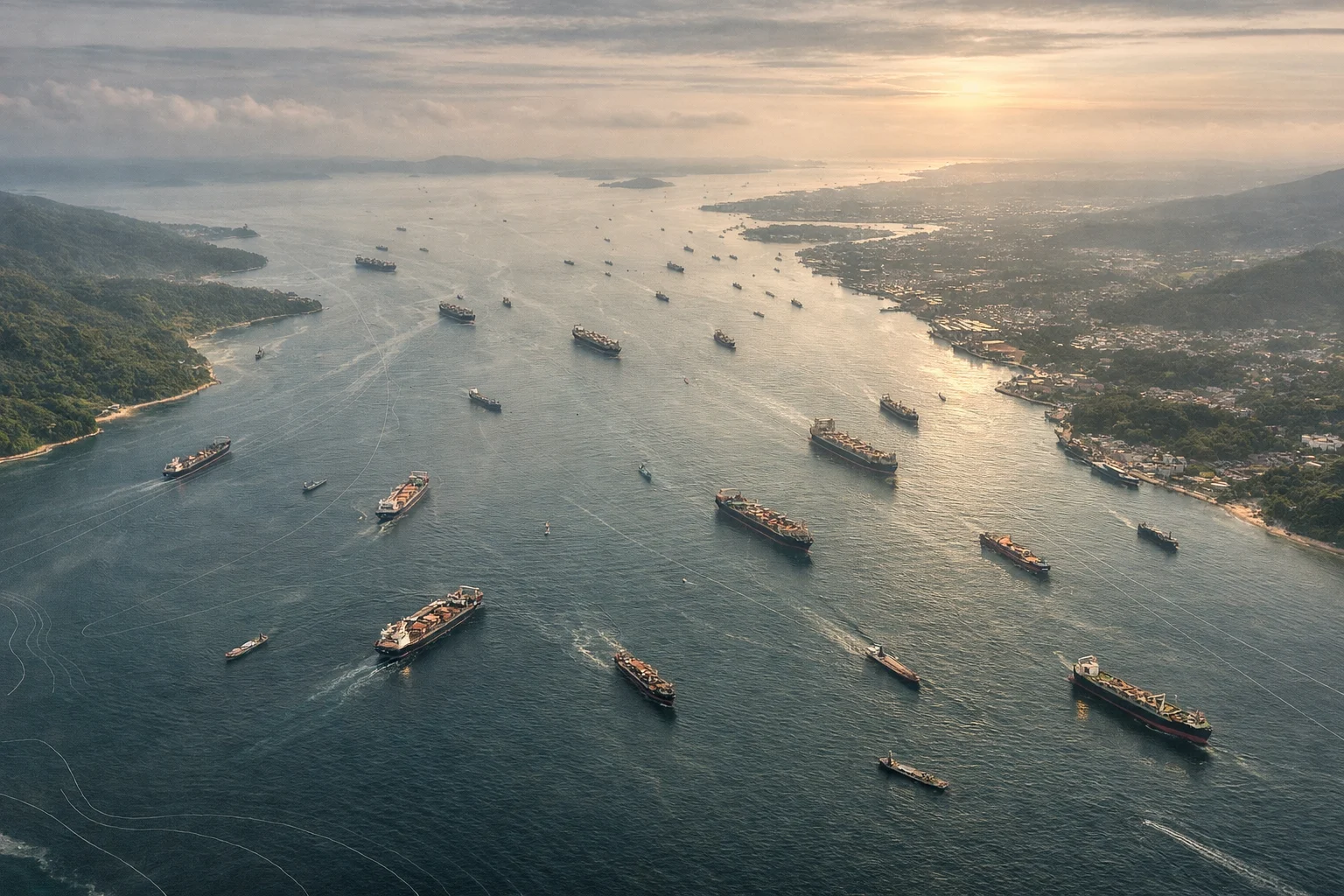
After 1453, Ottoman consolidation narrowed overland options and raised costs on some routes. Iberian monarchies bet on sea lanes. Navigational tools, hull design, and Atlantic winds made the Cape Route feasible. Columbus sailed west seeking Asia, a pivot rooted in centuries of Eurasian demand; for that biography’s wider context, see this complete life of Christopher Columbus. Northern seamanship mattered too; for earlier North Atlantic daring that foreshadowed oceanic webs, see the Vikings exploration timeline.
The land routes did not vanish; they recalibrated toward regional exchange. UNESCO’s program curates this broader heritage across land and sea; explore its concise overview about the Silk Roads to see how scholarship now frames a plural, multi-route system.
Credit, Paper, and Trust: The Software of Trade
Merchants solved distance with documents. Bills of exchange let a trader settle debts thousands of kilometers away. Islamic finance refined partnership law; Italian firms engineered double-entry bookkeeping; Chinese dynasties issued paper notes. Clerks, not caravans, often carried the highest value per kilogram—inked on durable paper with seals and counter-signatures. To grasp Silk Road Trade Network Origins To Aftermath, follow the paperwork: that is where risk is priced, partners are chosen, and distant strangers become counterparties.
Constantinople, Corridors, and Consequences
Constantinople’s 1453 fall rerouted ambitions and archives. Refugee scholars brought texts to Italian presses; Ottoman customs reshaped Levantine trade. Overland tolls and naval chokepoints became new levers of policy. Although caravans continued, the largest profits chased sea-borne bulk. The “after” in Silk Road Trade Network Origins To Aftermath therefore means institutional adaptation—chambers of commerce, maritime insurance, and port customs rising where desert posts once ruled.
For siege, strategy, and the chain reactions that followed, see this focused study of the Fall of Constantinople. It captures how one city’s fate could reorder routes far beyond its walls.
Conclusion
The Silk Roads were never a single road, and their “aftermath” is not an ending. Overland corridors shrank as ocean routes scaled, but the habits, tastes, and tools built along the way endured. Empires taxed distance; merchants priced risk; pilgrims and scholars gave meaning to motion. That interplay still shapes globalization today. If you want to follow how knowledge accelerated once texts were cheap and portable, read this investigation of the printing press revolution. For a reality check on period myths that still color our view of change, see the Renaissance myth-busting guide. The real lesson is simple: networks outlive roads, and institutions outlast itineraries.