Templar Treasure Evidence Search: What Clues Survive?
The phrase Templar Treasure Evidence Search raises a thrilling, stubborn question: if a hoard ever existed, what proof is left today? We can sift surviving texts, stones, seals, and sites to separate legend from evidence. The Crusader world offers context for that hunt, from how the Crusades shaped the Templars’ world to debates around the Vatican’s archives and what they really say. This guide follows the trail from archives to archaeology, mapping what stands up under scrutiny and what dissolves into myth.
Historical Context
From battlefield monks to European power brokers
The Templars began as a small band of warrior-monks protecting pilgrims, then grew into a transcontinental network. Their houses guarded roads, managed estates, and moved money with unusual efficiency. Crusader warfare and politics shaped every ledger and charter they left behind. Understanding that ecosystem matters because treasure claims often mirror medieval realities: rents, tithes, ransoms, and gifts—more account book than dragon’s hoard. The order’s rise also depended on neighbors and rivals, from the Byzantine pressures and diplomacy that bent crusading routes to the military genius of Saladin in the Levant.
Suppression and the “missing wealth” story
In 1307 King Philip IV of France struck, arresting Templars and moving on their assets. The Church suppressed the order in 1312. The gap between what monarchs expected to seize and what they actually found sparked centuries of speculation. For any Templar Treasure Evidence Search, that gap is where myth flourishes: the imagined fleet slipping away, secret vaults beneath commanderies, and caches carried to distant strongholds. Solid research starts by asking which records survived and where inventories typically fall silent.
Key Facts and Eyewitness Sources
Trial records, papal actions, and what they really show
Interrogations generated copious testimony—some under duress, some procedural, and some formulaic. Cross-referencing these records with charters, wills, and royal letters reveals what can and cannot be trusted. Absolution debates, papal commissions, and procedural acts show a Church trying to manage a political crisis as much as heresy claims. Read alongside royal fiscal accounts, they frame asset transfers rather than hinting at mythical treasure rooms. Biographies of major figures, like Richard I’s campaigns and finances, also reveal how wartime logistics shaped the order’s cashflow.
Stones, seals, and churches as material witnesses
Surviving churches, preceptories, and grave effigies testify to Templar presence and memory. The Temple Church in London preserves architecture and tomb sculpture that anchor the order to a specific urban landscape. Seals and signet impressions show administrative habits; carved crosses and round nave plans tell us how the order borrowed and adapted sacred forms. Even evidence from medicine and mortuary practice—contextualized through pieces like medieval medical testimony—reminds us to read descriptions with care. These survivals don’t reveal golden chests, but they do reveal institutions that handled wealth.
Analysis / Implications
Why big hoards are unlikely—and tidy ledgers matter
Medieval “treasure” usually meant movable wealth: coins, plate, reliquaries, and promissory notes. The Templars managed revenue streams, not static piles. Estates and leases generated income, routed through commanderies and converted into salaries, grain, horses, arms, and ransoms. If a great cache existed, it would still leave patterns—sudden stops in rents, unexplained ship movements, or odd balances in accounts after 1307. Instead, what we see in many regions is continuity: properties reallocated to Hospitallers or the crown, revenue reassigned, paperwork trudging on.
How legends arise from real absences
Confiscation was messy. Inventories were partial. Torture tainted testimony. Those gaps invited narratives of hidden treasure. Yet a disciplined Templar Treasure Evidence Search checks each gap against expected medieval noise: fires, wars, lost registers, or relocations. When a legend points to a concrete place or object, the method asks: what document type should record this, and does it survive elsewhere? The process can debunk romantic stories, but it can also spotlight neglected repositories or miscatalogued files worth a fresh look.
Case Studies and Key Examples
Inventories and transfers after 1307
In France, royal officers drew up lists of seized goods: horses, armor, coin, liturgical vessels, and documents. Matching entries to prior commandery records shows continuity: mundane assets moved from Templar control to crown receivers or to other orders. In Iberia and parts of the Mediterranean, property often flowed to successor institutions. These pathways leave charters, seals, and scribal hands we can still identify. None of this precludes a lost chest, but it argues for administrative dispersal over theatrics.
England: strongboxes, houses, and the record trail
English proceedings list manors, mills, and cash deliveries, with sheriffs and escheators accounting for transfers. The record sometimes references strongboxes, but the contents tend to be papers and routine funds, not royal-ransom hoards. Cross-reads with lay archives—town, abbey, and private cartularies—confirm the same pattern: assets reappear under new names or seals within a few years. Where numbers don’t match, the most likely causes are arrears, legal disputes, or decay of perishable stores.
Architecture as a ledger in stone
Round naves, distinctive chapels, and commandery layouts create a map of Templar presence that outlived the order. Sites reused by Hospitallers or secular owners often preserve fabric that can be dated through masonry styles and accounts of repairs. Stone, like parchment, answers who paid and why. Such continuity makes it hard to “erase” a vast treasure without collateral traces in building accounts, corroded locks, or unusual foundations.
What modern scholarship agrees on
Standard reference syntheses, like the Encyclopaedia Britannica overview of the Templars, echo a consensus: the order dominated logistics and credit, not static treasure caves. Scholars disagree over specific texts, but agreement holds that most wealth was distributed across land, dues, and obligations. For a rigorous Templar Treasure Evidence Search, this baseline helps weigh new “discoveries.” Extraordinary claims must align with charter series, papal bulls, and regional fiscal habits.
Historical Context Revisited: People, Politics, and Paper
Personalities who shaped the money trail
Key leaders influenced how funds moved and why. Royal demands for loans, papal privileges, and military crises produced spikes in revenue and spending. Campaigns by figures like Richard I drew on the order’s ability to mobilize animals, ships, and coin quickly. Those logistics appear in letters, receipts, and safe-conducts that survive far from glamour but close to truth. When stories place sudden treasure flights, we look for parallel logistics—ships hired, grain bought, or escorts paid.
Cross-checking papal and royal paperwork
One side’s inventory means little alone. Pairing royal confiscation lists with ecclesiastical decrees and local copybooks anchors amounts and destinations. If a chest vanished, associated entries should show: debt balances unaccounted, arrears levied, or inquisitorial notes about missing items. Instead, most regions show clerks following assets to new stewards. The paper trail is imperfect, but it tends to address coin and plate as consumables, not mythic relics.

Methods: How to Test a Treasure Claim
Start with the where, then the which
Begin by fixing a claim to a precise place: commandery name, parish, manor, or port. Next, identify which documents should exist for that place and century: cartularies, rentals, plea rolls, episcopal registers, or notarial acts. A sound plan prioritizes sources with the highest chance of survival and triangulates across them. The goal is not to disprove romance, but to see if the paperwork hums in harmony.
Follow the object, not the story
If a tale mentions a chest, ask about its fittings, lock type, and expected recipients and If it names a reliquary, seek valuations, donors, and liturgical mentions. If ships are involved, look for port fees, victualing lists, and convoy orders. Where architecture is cited, date the fabric, study repairs, and check funeral monuments. The best leads mix the tactile—like the Temple Church in London effigies—with the textual, like account margins noting a pawned chalice.
Counter-Arguments and Persistent Myths
The secret fleet and the vanishing vault
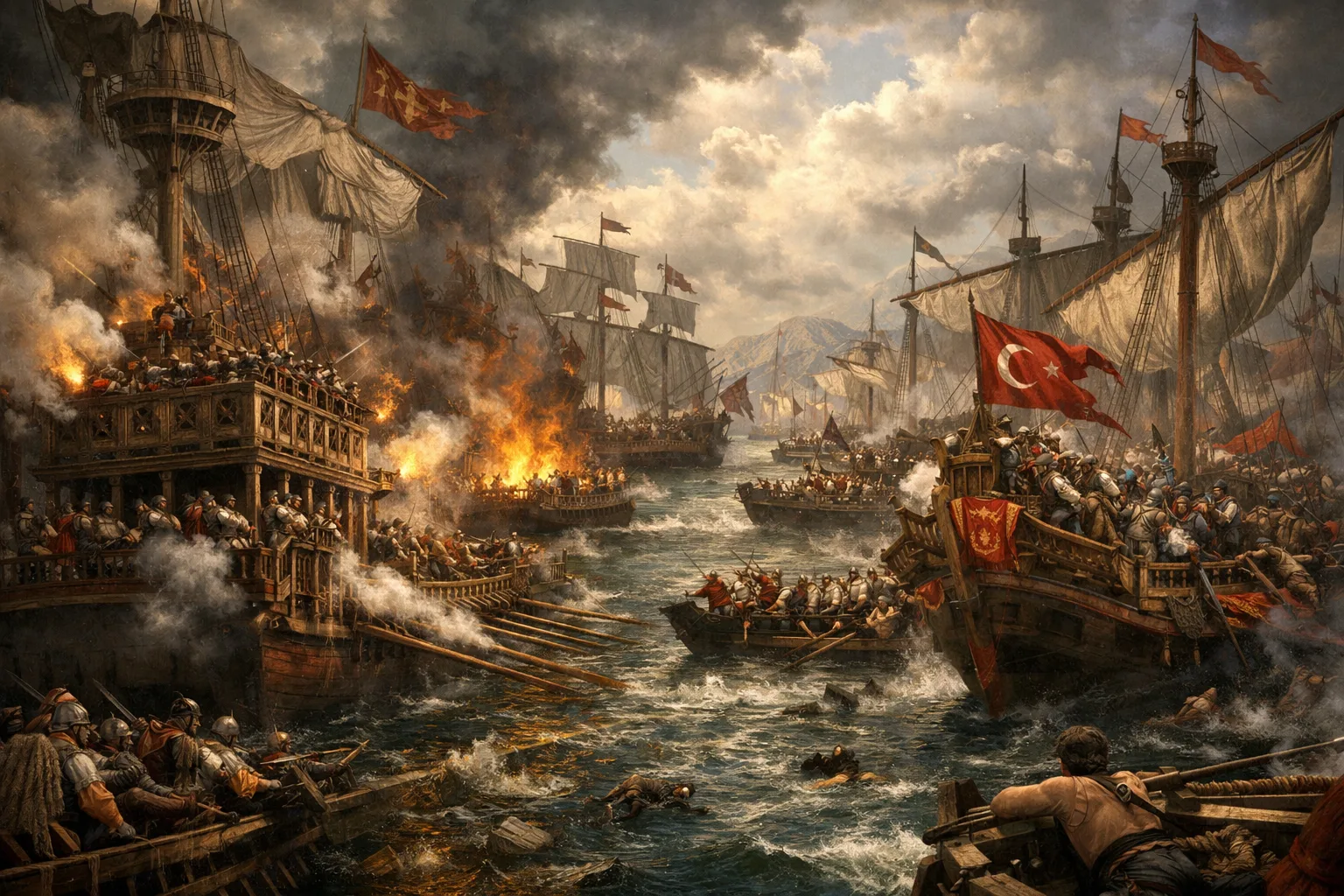
Stories about a Templar fleet escaping from La Rochelle persist. Ship records in many ports were patchy, but regional customs accounts often list cargoes, tolls, and convoy arrangements. Extraordinary flights would have left echoes in non-Templar registers—harbormasters or rival orders. The silence is suggestive. A careful Templar Treasure Evidence Search treats that silence as a data point, not proof of conspiracy.
Hidden tunnels and sealed crypts
Subterranean lore thrives near former commanderies. Excavations sometimes find reused cellars, ossuaries, or drainage. Most yield practical facilities, not vaults. Medieval builders left repair accounts and quarry notes; if a crypt were built for large bullion storage, we might expect distinctive masonry bills or protective staffing entries. Absent those, “secret tunnel” tales are better read as local memory giving shape to a dramatic past.
Conclusion
The hunt for Templar riches endures because it fuses secrecy, loss, and power. Yet the secure clues are prosaic: charters, inventories, seals, and stone. They show a sophisticated institution that managed flows, not caverns of gold. To keep your Templar Treasure Evidence Search grounded, test every legend against expected documents and neighboring archives. For context on cross-cultural rivalry, revisit Richard the Lionheart vs Saladin. To see how power politics distorts archives, read the story of the Anarchy in England. The chase remains compelling, but evidence—quiet and cumulative—still sets the limits of what likely happened.