Augustus: The First Emperor of Rome — Augustus biography
This Augustus biography follows Octavian’s path from fragile heir to master of Rome. It explains how he secured peace, reshaped institutions, and crafted a new political language after civil war. For context on the world that shaped him, see the life and death of Julius Caesar and a broader view in Roman Empire rise and fall. Short sections, clear facts, and balanced analysis guide you through his rise, rule, and legacy.
Historical Context
From Octavian to Caesar’s Heir
Gaius Octavius was born in 63 BCE into a respectable but not anciently noble family. In 44 BCE, Julius Caesar’s will adopted him, turning the teenager into the divi filius, the “son of a god.” That title mattered. It gave Octavian religious charisma and political leverage. Rome, meanwhile, was fractured by civil conflict and fear of monarchy. The vacuum after Caesar’s assassination opened doors for new coalitions, new enemies, and new rules of play. Octavian studied power quietly, then used it decisively.
The Republic’s End and the Road to Actium
The Second Triumvirate—Octavian, Antony, and Lepidus—neutralized rivals through proscriptions and battlefield victories. Philippi (42 BCE) crushed Caesar’s assassins, yet unity soon failed. Antony built a Greco-Egyptian base with Cleopatra. Octavian cultivated Italy, veterans, and the Senate. Their rivalry ended at Actium in 31 BCE and Alexandria in 30 BCE. Rome returned to a single victor who promised restoration, not revolution. That promise would become the Principate, a monarchy masked by republican language and ritual.
For the assassination’s background and motives, read the investigation of Caesar’s murder.
Key Facts and Eyewitness Sources
Titles, Settlements, and Public Claims
In 27 BCE, the Senate granted Octavian the name “Augustus,” signaling sacred authority. The “First Settlement” framed his control as a return to order. The “Second Settlement” in 23 BCE refined it with tribunicia potestas and maius imperium. The Res Gestae Divi Augusti—his own monument of achievements—lists honors, gifts, victories, buildings, and laws. It is propaganda, but it is also data. Cross-check it with coins, inscriptions, and the city’s transformation.
Ancient Voices and Modern Readings
We hear Augustus through Suetonius, Cassius Dio, Velleius Paterculus, and Nicolaus of Damascus. Each writes with aims and audiences, so bias is part of the evidence. Statues like the Prima Porta, altars like the Ara Pacis, and coins with the comet of Caesar reinforce the crafted image. For concise overviews, see Encyclopaedia Britannica’s entry on Augustus. For the primary boast itself, consult a standard translation of the Res Gestae. Together, these sources reveal both the message and the methods behind it.
Analysis / Implications
Power by Design, Not Accident
Augustus engineered a system where consent looked voluntary and power felt familiar. He was princeps, the “first citizen,” not a king. Yet he kept the army’s loyalty, controlled provincial patronage, and curated honors. He reduced the wartime legions to a peacetime core and created a professional guard. He stabilized pay, settled veterans, and bound military interests to his house. The design reduced coups and calmed politics.
Culture, Morals, and Durable Institutions
Law and culture served policy. Moral legislation promoted marriage and punished adultery. The city gained forums, temples, and safer streets. A fire brigade and night watch improved security. Provinces felt lighter taxes, more predictable justice, and roads that moved troops and goods. The result was the Pax Romana, a long arc of relative stability. Later emperors would stretch, copy, or break this mold—sometimes dramatically, as seen under Caligula’s volatile rule and Nero’s spectacle politics.
Case Studies and Key Examples About Augustus Biography
Actium (31 BCE): Winning the State by Winning the Sea
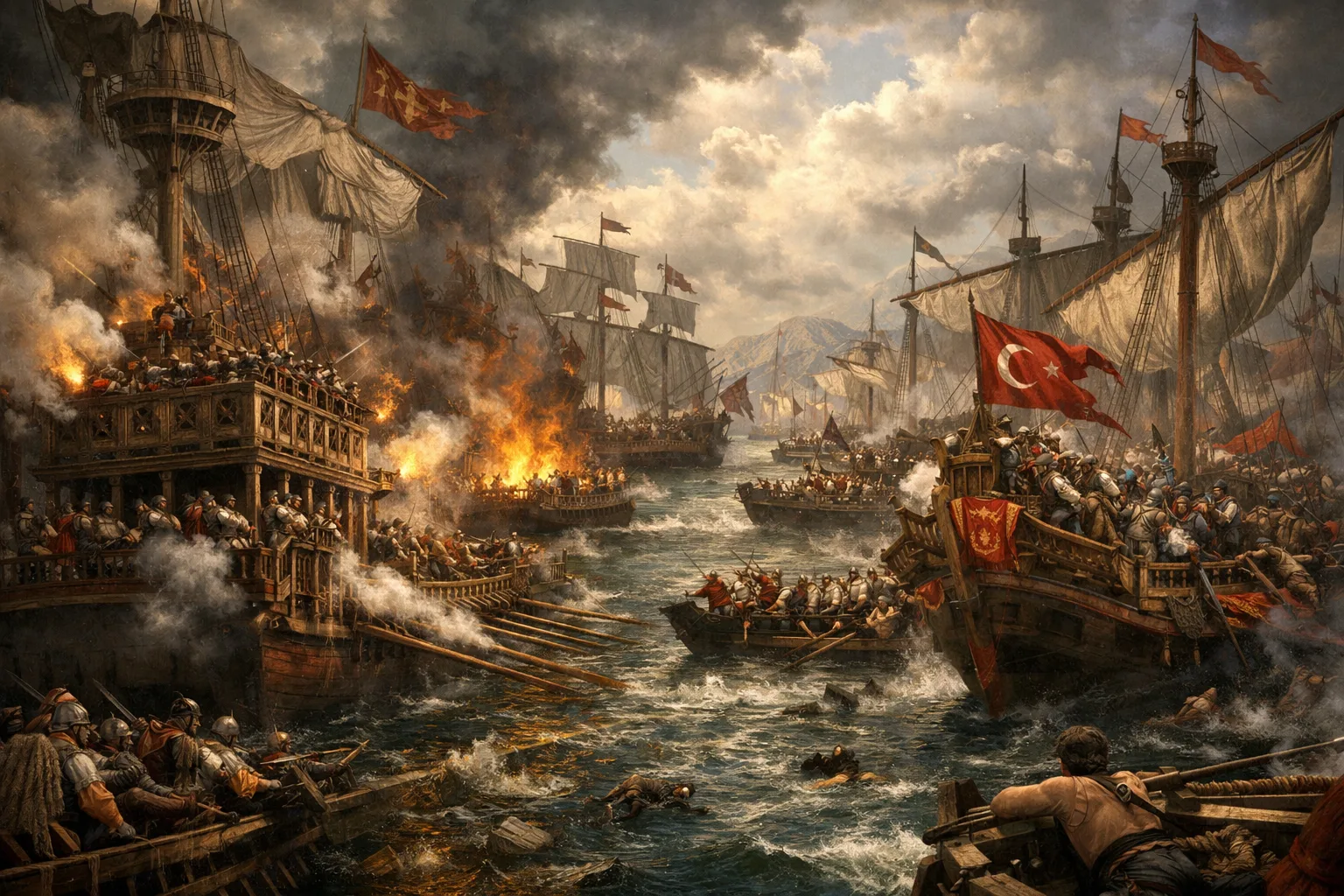
Actium decided more than a war; it decided a constitution. A naval victory against Antony and Cleopatra let Augustus claim he had saved Rome from monarchy under foreign influence. The imagery was potent. Victory brought legitimacy, treasure, and time to redesign government language and ritual. Rome celebrated triumphs; Augustus institutionalized peace.
Ara Pacis (13–9 BCE): Art as Public Policy
The Ara Pacis Augustae shows a procession of priests, senators, and the imperial family. It visually argues that peace, fertility, and civic duty flow from Augustus’s leadership. Art and religion worked as policy tools. Citizens read marble like an inscription you could walk through. The message was clear: prosperity follows order; order follows Augustus.
Army and Provinces: From Many Wars to Managed Frontiers
After civil war, Augustus reduced scores of legions to a settled professional army, commonly counted around twenty-eight. Veterans received land rather than unending campaigns. Provinces were split between senatorial and imperial control, with sensitive areas under the emperor. Taxation got structure; census records got attention. This administrative shift explains why later emperors could reign at all, including builders like Hadrian.
Moral Laws and the Family Drama of Succession
Augustus wrote moral law into public life. He also discovered that family is the most unpredictable office. His early heirs, Gaius and Lucius, died young. Tiberius, older and experienced, eventually became successor. The lesson is structural: the Principate needs rules yet depends on households. That tension shapes imperial stories for centuries.
For a reminder of the Republic’s earlier military shock, compare Rome’s learning curve after Hannibal’s Alpine feat. Augustus governed the world that once nearly broke Rome.

Key Facts and Eyewitness Sources (Deep Dive)
What a Balanced Augustus biography Should Include
A balanced Augustus biography weighs the careful constitutional settlements of 27 and 23 BCE; the integration of army finance with civic calm; and the cultural program that stitched Romans into a shared story. It includes the closures of the Temple of Janus as a peace signal, the cult of the imperial household, and the deliberate use of ancestry—Aeneas, Venus, and Caesar—to sanctify rule. It also faces harder edges: exile of his daughter Julia, ruthless early proscriptions, and managed elections.
How Historians Read the Evidence
Historians triangulate coins, inscriptions, architecture, and narratives. Suetonius supplies anecdotes; Dio offers structure; inscriptions supply numbers and names. The Res Gestae remains a masterclass in political communication. Scholars ask what the text emphasizes, what it omits, and how the city’s stone answers back. The method is simple: let each source check the next. That habit turns imperial spin into testable history.
Historical Context (Extended)
From “Restoration” to Reality
Augustus promised a restored Republic. In practice, he monopolized the tools that mattered. Command over key provinces, lifetime tribunician powers, and control of honors secured the core. The Senate still debated; magistrates still wore togas; elections still happened. But the axis of decision ran through the palace. Form survived; substance moved.
Public Works and Urban Identity
Augustus transformed Rome’s look and feel. New forums framed civic movement. Temples renewed ritual calendars. A mausoleum rose on the Campus Martius, signaling dynasty. The city gained walls of order and monuments of memory. As Suetonius reports, Augustus claimed to have found a city of brick and left one of marble. The boast underlined a deeper truth: infrastructure is ideology in stone.
Analysis / Implications (Extended)
The Political Invention of “Normal”
Under Augustus, crisis became exception and routine became policy. Regular pay schedules, predictable courts, and standard administration calmed the Mediterranean. Provincial elites learned that loyalty brought status; resistance brought marginalization. The emperor’s household became a school of governance. People adjusted to a new normal—monarchy that spoke republican.
Legacy for Later Emperors
Every ruler after him wrote within his margins. Some honored the mask; others tore it. Compare the philosophical poise of Marcus Aurelius with theatrical extremes elsewhere. Whatever their style, emperors inherited Augustus’s frame: centralized command, ritualized legitimacy, and a city that performed power daily.
Conclusion About Augustus Biography
This Augustus biography has traced how a cautious strategist built a durable political machine. He balanced myth with management, ceremony with systems. He won a civil war, then made peace the headline. The Principate outlived him because institutions, pay ledgers, and civic stories outlast men. Read this Augustus biography as both a life and a blueprint. To follow the blueprint’s later outcomes, explore imperial extremes from Caligula’s contradictions to the frontier wisdom of Hadrian’s consolidation. For philosophy in power, turn to Marcus Aurelius. For Rome’s earlier near-disaster, consider Hannibal’s crossing. In each story, Augustus’s system remains the silent partner.