How Berlin Airlift Cold War drama shaped today’s NATO
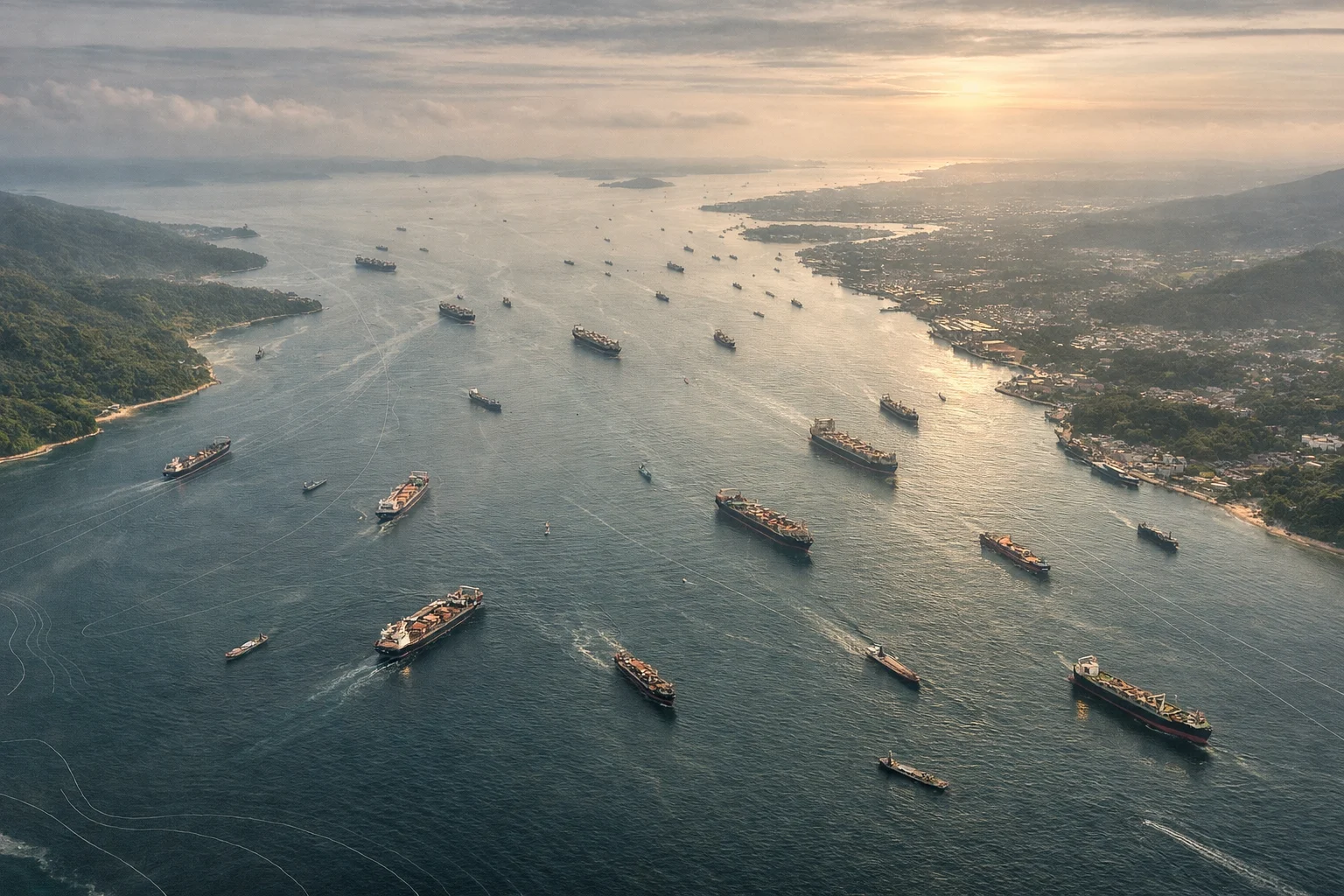
The Berlin Airlift Cold War showdown was more than a rescue mission. It rewrote how alliances deter, supply, and communicate under pressure. Air corridors became lifelines, and logistics became strategy. The same logic guides NATO today, from reassurance missions to sanctions-backed diplomacy. Wartime perception also mattered, much like the clever deceptions seen in the Second World War’s Ghost Army. And chokepoints still define power, as the modern stakes at the Strait of Hormuz remind us.
Historical Context
From Blockade to Airbridge
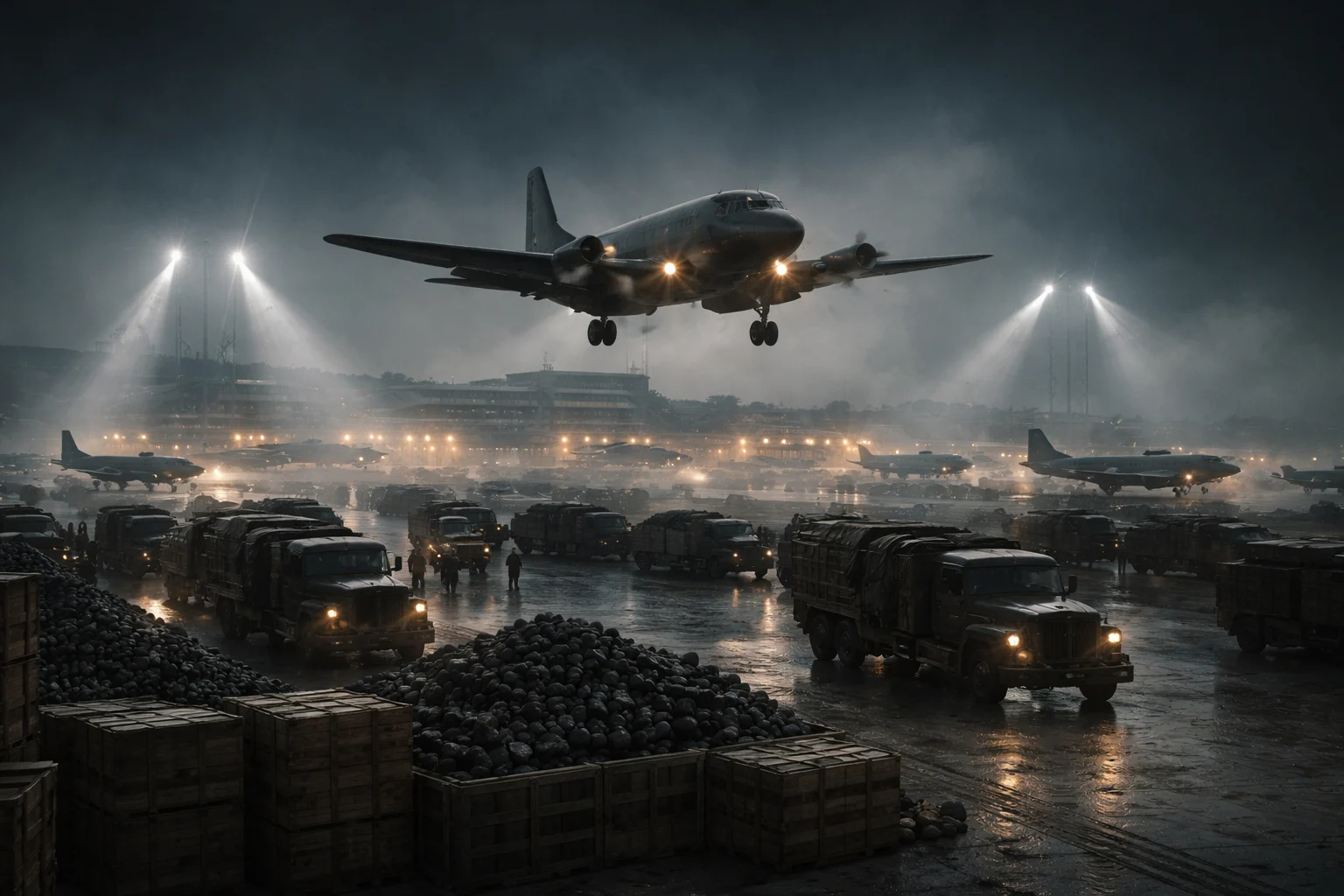
In 1948 the Soviet blockade of West Berlin aimed to squeeze the city into submission. Roads and rails were shut. Electricity faltered. Supplies ran out. The Western response was radical and disciplined: build an airbridge. C-47s and C-54s lifted coal, flour, and medicine into the city, day and night.
This was not improvisation. It was strategy by sustainment. Every landing proved resolve without firing a shot. Every ton delivered turned coercion into a public relations defeat. The spectacle reached global audiences. The message was clear: aggression would be answered with endurance. The result set the tone for the early alliance years and the Berlin Airlift Cold War narrative that still frames deterrence.
From Airlift to Alliance
The airlift worked because democracies coordinated, standardized, and communicated credibly. Those habits carried into NATO’s founding in 1949. Shared planning and interoperable logistics became normal. Moscow learned that cutting a city would not fracture the West. Instead, it built cohesion.
Cold War patterns spread beyond Germany. Covert moves and political pressure tested these habits elsewhere, like the fraught dynamics around the 1953 Iran coup legacy. Later, revolutionary shocks demanded new calibrations of policy and alliance signaling, as seen in the 1979 Iranian Revolution’s long aftershocks. In each case, credibility hinged on clear commitments and visible capacity.
Key Facts and Eyewitness Sources
The Numbers Behind the Airlift
Numbers tell the story. Over a quarter-million flights sustained two million Berliners through the blockade. Crews pushed capacity with precision scheduling, metronomic approaches, and split-second turnarounds. Coal dust choked cabins; ice fog complicated descents. Yet tonnage rose.
On Easter 1949, a record day delivered thousands of tons within hours, a vivid demonstration of scale. These metrics were not just logistics. They were messaging to both Kremlin planners and anxious publics. For accessible reference material on the operation’s scope, see the U.S. National Archives overview of the Berlin Airlift. Together, they outline how the Berlin Airlift Cold War effort fused aviation, administration, and diplomacy.
Voices from the Corridors
Pilots remembered the rhythm: takeoff, stack, approach, unload, and climb. Berliners remembered the sounds overhead and the sacks of coal. Children remembered candy parachutes, small gestures that delivered big political effects. The operation built a shared narrative of calm under pressure.
Eyewitness stories also illuminate the psychological front. In later conflicts, captors and censors targeted minds as much as bodies. Accounts like Jeremiah Denton’s televised defiance—he blinked “TORTURE” in Morse code—show how messaging, truth, and endurance intermingle under duress. For a gripping Cold War–era example of resistance under interrogation, see this note on Denton’s story. The airlift’s communications discipline belongs to the same family of narrative warfare.
What Cracked the Blockade
Blockades aim to raise costs until opponents fold. The airlift inverted that logic. It spread costs across allies, made them predictable, and publicized resilience. Soviet leaders saw that the West could sustain a city indefinitely without escalation. The blockade ended.
Equally important, the airlift normalized a template: meet coercion with capacity and calm. That template survives. It resurfaces whenever a corridor, strait, or airspace becomes a diplomatic lever. As later crises proved, standoffs can be shaped by credible lift, disciplined signaling, and public narrative. That is why the Berlin Airlift Cold War experience still anchors alliance planning.
Analysis / Implications
Deterrence by Sustainment
We often describe deterrence as weapons and threats. The airlift showed another path: deter by sustaining what adversaries want to break. Logistics becomes message. The aircraft’s steady arrivals communicated patience and coordination. Those traits reduce the chance of miscalculation.
For NATO, the Berlin Airlift Cold War lesson is practical. Move fuel, food, fiber, and spare parts faster than fear spreads. Keep air and sea lanes open, even under harassment. Harness transparency so publics grasp both the stakes and the plan. Capacity plus clarity harden a target without cornering an adversary into rash moves.
Cohesion, Credibility, and Risk
Alliances thrive on two currencies: capability and credibility. The airlift bought both. Partners standardized procedures, shared burdens, and accepted risk. Each sortie made Article-5 style solidarity feel plausible before the treaty’s words were fully tested. That credibility still matters.
Crucially, credibility is not noise. It is careful signals under rules. NATO’s best signals are quiet: deployments, prepositioned stock, cross-border exercises, and standing air policing. These habits trace back to Berlin’s ramps and schedules. The heritage of the Berlin Airlift Cold War era is a method, not a museum piece.
Case Studies and Key Examples
From Berlin to the Balkans
Humanitarian air corridors have reappeared whenever civilians are trapped by geography and politics. In the late 1990s, NATO balanced coercive air operations with relief and stabilization efforts in the Balkans. Logistics again told a story: steady supplies, synchronized command, and multinational crews.
What mattered was not dramatic sorties but relentless predictability. Warehouses, pallets, and briefings are unglamorous. Yet they shift incentives. Decision-makers see that time favors prepared coalitions. That logic was born on Tempelhof’s aprons and echoes today wherever the alliance backs diplomacy with capacity.
Baltic Air Policing and Modern Corridors
Since 2004, Baltic Air Policing has projected steady vigilance along NATO’s northeast flank. Intercepts are professional, routine, and transparent. They signal that skies over allies remain monitored and defended without theatrics. The practice resembles a permanent, measured corridor—safety patrols that reassure without inflaming.
When tensions rise, the lesson is familiar: build resilient routes, share the rotation, and keep the schedule. Practical habits trump performative threats. In spirit, the Berlin Airlift Cold War template endures—capacity, cadence, and communication aligned to prevent miscalculation.
The Indo-Pacific Parallel: Lanes, Signals, and Silicon
Beyond Europe, the mechanics of stability look similar: protected lanes, credible lift, and clear commitments. The Taiwan Strait remains a case where signaling and access shape risk. For historical background on how crises evolved there, see this analysis of crisis signaling across a narrow sea. Commitments must be underpinned by things that move—ships, aircraft, spares, and data.
Clarity also matters. Ambiguities can deter, but only when practical capacity is visible. To see how commitment design grew complex, study the origins of the One China policy. And because supply chains are now strategic terrain, Taiwan’s chip ascent shows how economic lifelines feed deterrence by denial. For a readable primer, explore tech lifelines and deterrence by denial. The connective tissue of stability—ports, fabs, cables, and clouds—echoes the air corridors of 1948.
Conclusion
The airlift’s legacy is not nostalgia. It is a playbook. Sustain the threatened. Share the burden. Signal with schedules, not slogans. The West learned to turn logistics into diplomacy and narrative strength. That approach shaped NATO’s birth and still guides its posture from the Baltics to the Black Sea.
When corridors and chokepoints define risk, planners return to Berlin’s lessons. Credibility is cumulative. It grows from routines the public can see and adversaries can count. For commitment design in Asia, revisit the history of commitment clarity. For maritime leverage, study modern chokepoint dynamics. The core idea endures: the Berlin Airlift Cold War taught NATO that endurance, not escalation, is often the sharpest tool.