The Hidden Truth Behind Krakatoa Eruption 1883
The story of Krakatoa Eruption 1883 is more than the loudest sound on record. It is a chain of events that fused geology, oceans, weather, and human systems. Understanding those links helps us see why disasters escalate. It also shows how myths grow when data is thin. For a feel of how scientific debates get framed, see this clear guide to the Sphinx erosion debate. And for a modern lesson in tracking elusive waves, compare the structured Hum of Windsor timeline.
Historical Context
A Volcano at the Strait’s Crossroads
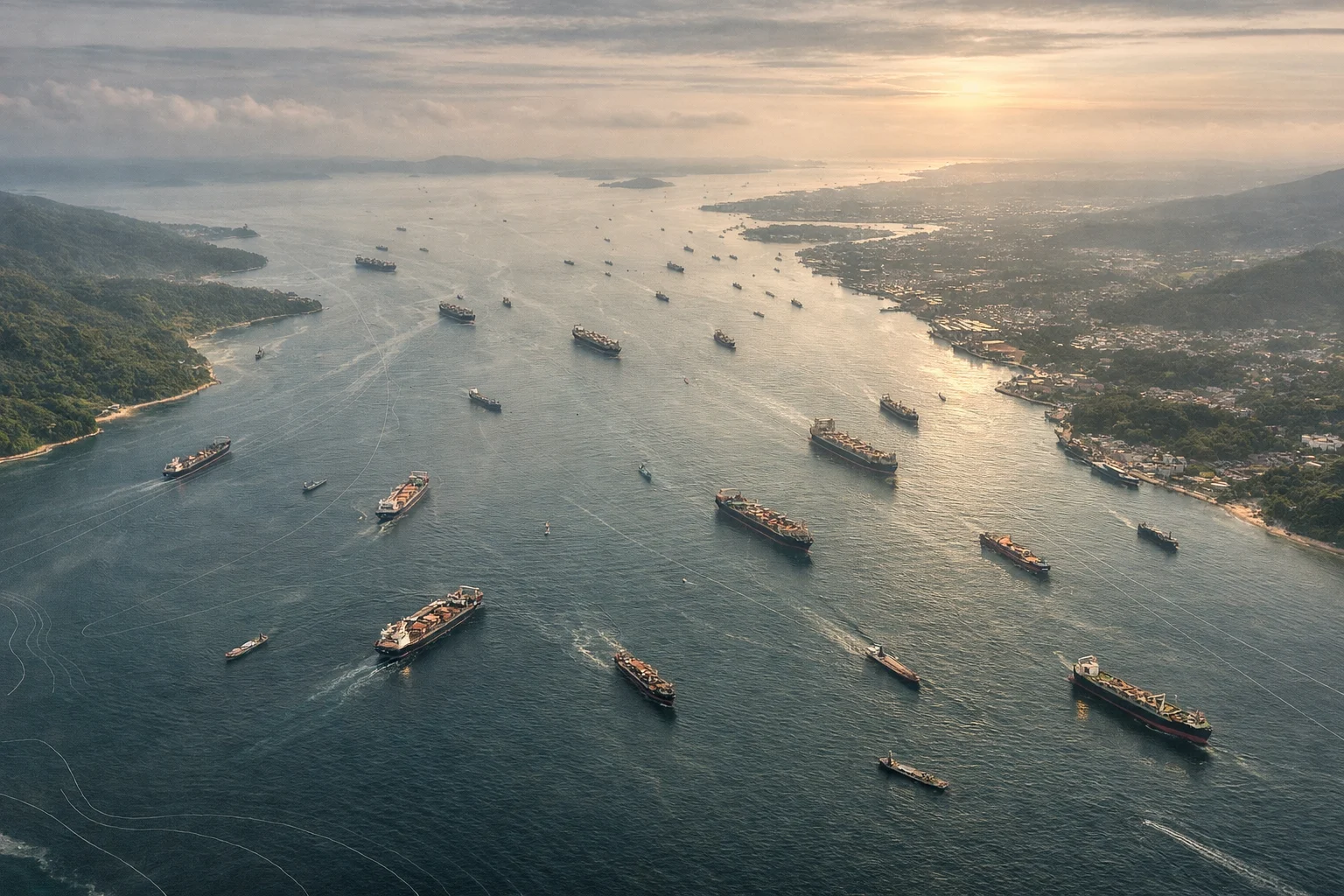
Krakatau sat in the Sunda Strait, a narrow gate between Java and Sumatra. Subduction built the edifice and powered its unrest. Trade ships crossed these waters daily. That traffic made the volcano’s location uniquely dangerous. The Krakatoa Eruption 1883 did not strike a blank map. It hit a busy maritime corridor and a dense coastline.
By May 1883, activity surged. Ash plumes rose. Pumice fell. Through June and July, blasts grew. Islanders watched sea and sky change. The setting primed the impact. A strait amplifies waves and funnels them toward ports, lighthouses, and towns. When the volcano failed, geography turned force into tragedy.
Early Signals and a Dangerous Strait
Reports noted booming sounds, darkness at noon, and floating fields of pumice. Mariners dodged rafts of rock. Telegraph lines stitched the colonial world together, yet delays and disbelief slowed response. That mismatch mattered. The stage was set for a cascade: eruption, collapse, and waves that outran warnings. This is why historians stress systems, not single moments.
Key Facts and Eyewitness Sources
Four Blasts, One Collapse
On 27 August, the eruption reached its peak. Four massive explosions fell within hours, often given as 05:30, 06:44, 10:02, and 10:41 local time. The third was extraordinary. It was heard in Perth and on Rodrigues, thousands of kilometers away. The pressure wave circled the globe multiple times and registered on barographs worldwide. Caldera collapse followed, removing much of the island’s central structure.
Tsunamis tore into coasts on both sides of the strait. Runups reached tens of meters in places. Entire settlements vanished. Contemporary counts place deaths above 36,000. The sea became a conveyor of wreckage and ash. The Krakatoa Eruption 1883 was therefore a coupled event: eruption plus ocean response.
Voices from the Water and the Shore
Ships recorded choking ash, darkness, and shock waves that damaged hulls and ears. Lighthouse logs ended abruptly. Inland, witnesses described blasts, lightning in the ash, and air that seemed to heave. Eyewitness reports are vivid but uneven. Maritime mysteries show why gaps matter. Consider how missing testimony breeds legend in this sober study of the Mary Celeste case. For Krakatau, survivors and instruments together anchor the record.
What Instruments Taught the World
Barographs traced the pressure wave again and again. Observers compared timings across continents. The pattern confirmed a shock that lapped the planet. That shared measurement culture mattered. It echoed a broader story of tools and proof. For a hands-on example of historical science and mechanism, explore this digest on the Antikythera mechanism. Instruments do not just record; they discipline imagination.
Primary Compilations and Modern Profiles
The first global synthesis appeared five years later in a detailed committee report. It gathered barograph traces, ship logs, and weather notes. For a concise modern profile—eruption style, caldera, and the birth of Anak Krakatau—see the Smithsonian Global Volcanism Program entry. A classic period compilation is the Royal Society’s 1888 volume on the eruption and its meteorological effects (Report of the Krakatoa Committee).
Analysis / Implications
Why the Blast Traveled So Far
The third explosion coupled efficiently into the atmosphere. A dense ash-laden shock expanded, then attenuated into a pressure pulse that raced outward near the speed of sound. The Krakatoa Eruption 1883 was loud locally and paradoxically faint at some near sites, a classic shadow-zone effect found in acoustics. Barographs stitched the story into a single, global curve.
That curve mattered beyond sensation. It marked a moment when local disaster became global data. Science used a tragedy to test models of wave propagation, atmospheric layering, and instrument response. As with any famous case, we must balance awe with method.
Ocean, Coast, and Bottlenecks
Tsunamis caused most of the deaths. The Sunda Strait funneled water into bays and river mouths. Topography amplified runups. Geography is often destiny in disasters. For a broader view of how landscapes shape outcomes and power, this note on U.S. geography and strength shows the same logic in a different field.
Ports suffered because they concentrate people, vessels, and fuel. Wooden towns stood on flat deltas. Evacuation paths were few. The Krakatoa Eruption 1883 thus reads as a case study in exposure, not only in energy.
Climate and Color in the Sky
Aerosols from the eruption reached the stratosphere. Sunsets turned spectacular worldwide. Observers sketched “volcano twilights” and noted a measurable, though temporary, global cooling. The scale of the effect depended on particle size, altitude, and circulation. The event helped link volcanoes to climate, long before satellites and sun photometers made such patterns routine.

Case Studies and Key Examples
Case 1: Telok Betong and the Deadly Wave
Historical Telok Betong (now Bandar Lampung) lay inside a bay. Waves arrived refracted and focused by headlands. The harbor’s shape increased height and force. Buildings near shore suffered catastrophic damage. This single example captures a larger rule: coastal geometry can multiply risk. Understanding that rule is as important as estimating eruption size.
Case 2: The Pressure Wave That Wouldn’t Quit
Barographs in Europe, Asia, and the Americas all traced the pulse. The wave circled the planet multiple times over five days. Each pass weakened, yet remained clear above noise. This dataset turned a shocking noise into a quantifiable phenomenon. It also showed how shared standards allow distant observers to cooperate without meeting.
Case 3: Sunsets, “Blue Moons,” and Public Memory
Artists painted lurid skies. Newspapers reported strange twilights months after the blast. Some observers described blue-tinged Moons when aerosol sizes scattered red light. The optics are real; the folklore is colorful. Pattern-hunting is human. To see how careful method separates pattern from pareidolia in a very different context, read this balanced guide to the Nazca Lines enigma.
Case 4: Pumice Rafts and Shipping
Rafts of pumice drifted for months, fouling hulls and altering routes. Trade moved more slowly along the Sunda approaches. Insurance costs rose. The ripple effects extended well beyond ashfall maps. As with many disasters, indirect costs accumulated long after headlines faded. The Krakatoa Eruption 1883 therefore belongs to economic history as much as volcanology.
Conclusion
Hidden truth sits in the connections. The Krakatoa Eruption 1883 was not only a colossal blast. It was a coupled Earth–ocean–atmosphere event that unfolded inside a human network of ports, telegraphs, and measurement. That is why it still matters. It taught scientists how to read waves that wrap the world. It taught officials that geography can magnify loss. And it reminds all of us that evidence, not legend, holds the key to clear memory.
If this topic resonates, compare the day-by-day anatomy of a very different volcanic disaster in Pompeii’s final hours. For a method primer on weighing evidence against myth, try this clean walkthrough of Stonehenge builders’ theories. Different eras, same habit: start with dated facts, then connect them with care.