U.S. Navy Carrier Strike Groups: The Ocean’s Most Powerful Force
When a U.S. Navy carrier strike group sails into contested waters, the world takes notice. These floating fortresses represent the peak of American military projection. They combine firepower, air power, and diplomacy into one moving platform. Few nations can challenge them directly. But what exactly makes them so formidable — and how did they get there?
What Exactly Is a Carrier Strike Group?
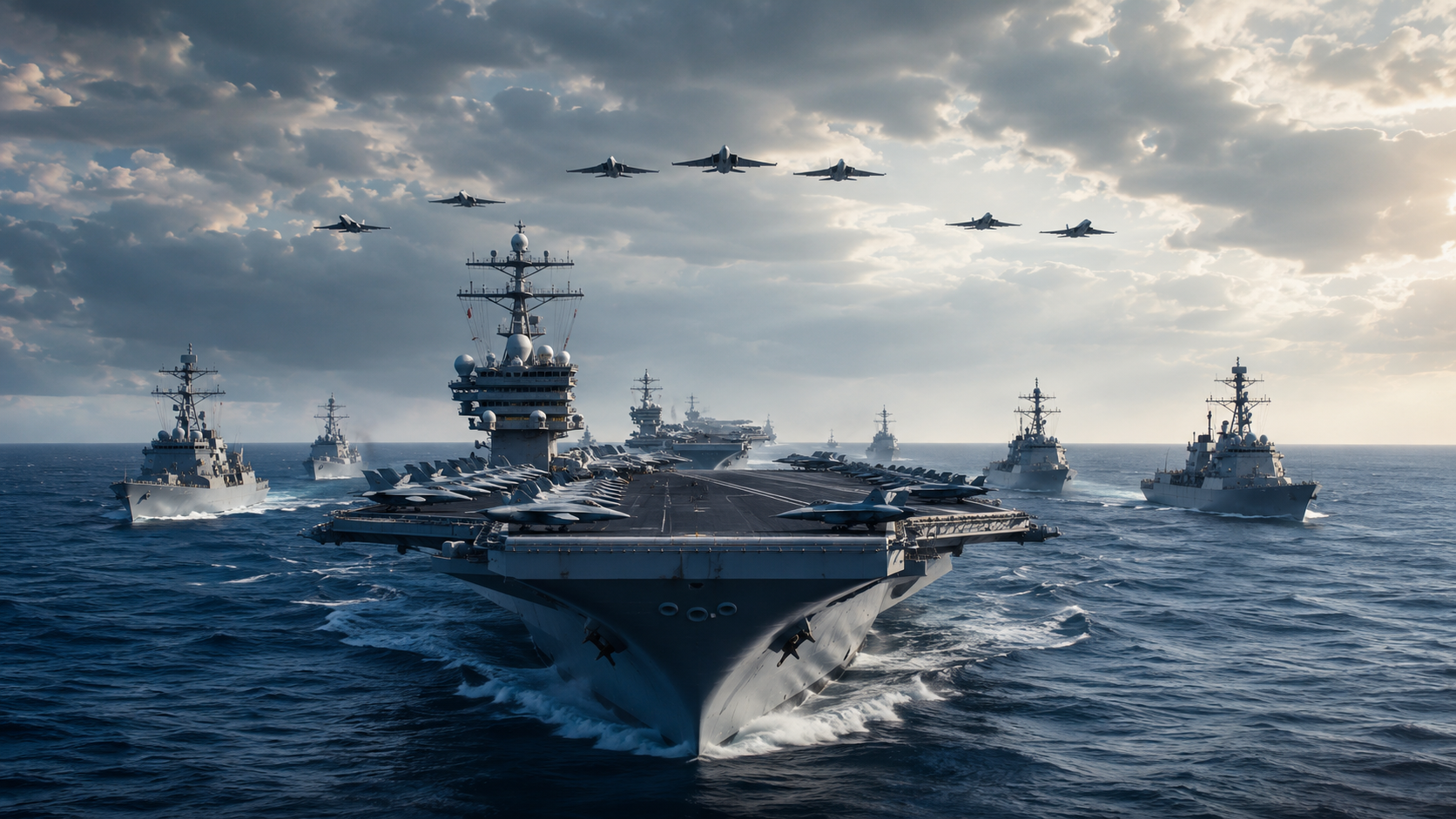
A carrier strike group — often abbreviated as CSG — is not just one ship. It’s a coordinated naval task force built around a nuclear-powered aircraft carrier. Think of it as a small, self-sufficient city capable of waging war across land, sea, and air.
At its core sits the carrier itself, typically a Nimitz-class or Gerald R. Ford-class supercarrier. These ships displace over 100,000 tons and stretch nearly 1,100 feet in length. They carry up to 90 aircraft, including F/A-18 Super Hornets, E-2D Hawkeyes, and EA-18G Growlers.
Surrounding the carrier are several escort vessels. A standard CSG includes:
- One aircraft carrier (CVN)
- Two guided-missile cruisers (CG)
- Two to three guided-missile destroyers (DDG)
- One attack submarine (SSN)
- One combat logistics ship for replenishment
Together, these ships can defend against air, surface, and submarine threats simultaneously. They’re also designed to strike targets hundreds of miles inland. The CSG is the Swiss Army knife of naval warfare — only nuclear-tipped.
How Does a Carrier Strike Group Actually Operate?
The CSG functions as a layered defense-and-offense system. Every ship plays a specific role, and coordination is everything. The carrier itself never fights alone. It’s always shielded by rings of protection.
The Inner and Outer Defense Rings
The destroyers and cruisers form an outer ring, scanning for enemy submarines, aircraft, and missiles. They carry the Aegis Combat System — one of the most sophisticated defense networks ever built. It can track and engage hundreds of targets simultaneously.
Below the surface, attack submarines sweep ahead of the group. They hunt enemy subs and can also launch Tomahawk cruise missiles against land targets. The submarine is the CSG’s silent guardian — rarely seen, always present.
Combat logistics ships keep the entire group fueled and armed at sea. This is called underway replenishment (UNREP), and it’s what gives the CSG near-unlimited range. The group doesn’t need to return to port for weeks — sometimes months.
The Air Wing as a Force Multiplier
The carrier air wing is the strike group’s fist. Fighter jets can reach targets 500+ miles away. Electronic warfare aircraft jam enemy radar. Early warning planes act as airborne control stations. This combination gives the CSG an offensive reach that no surface ship alone can match.
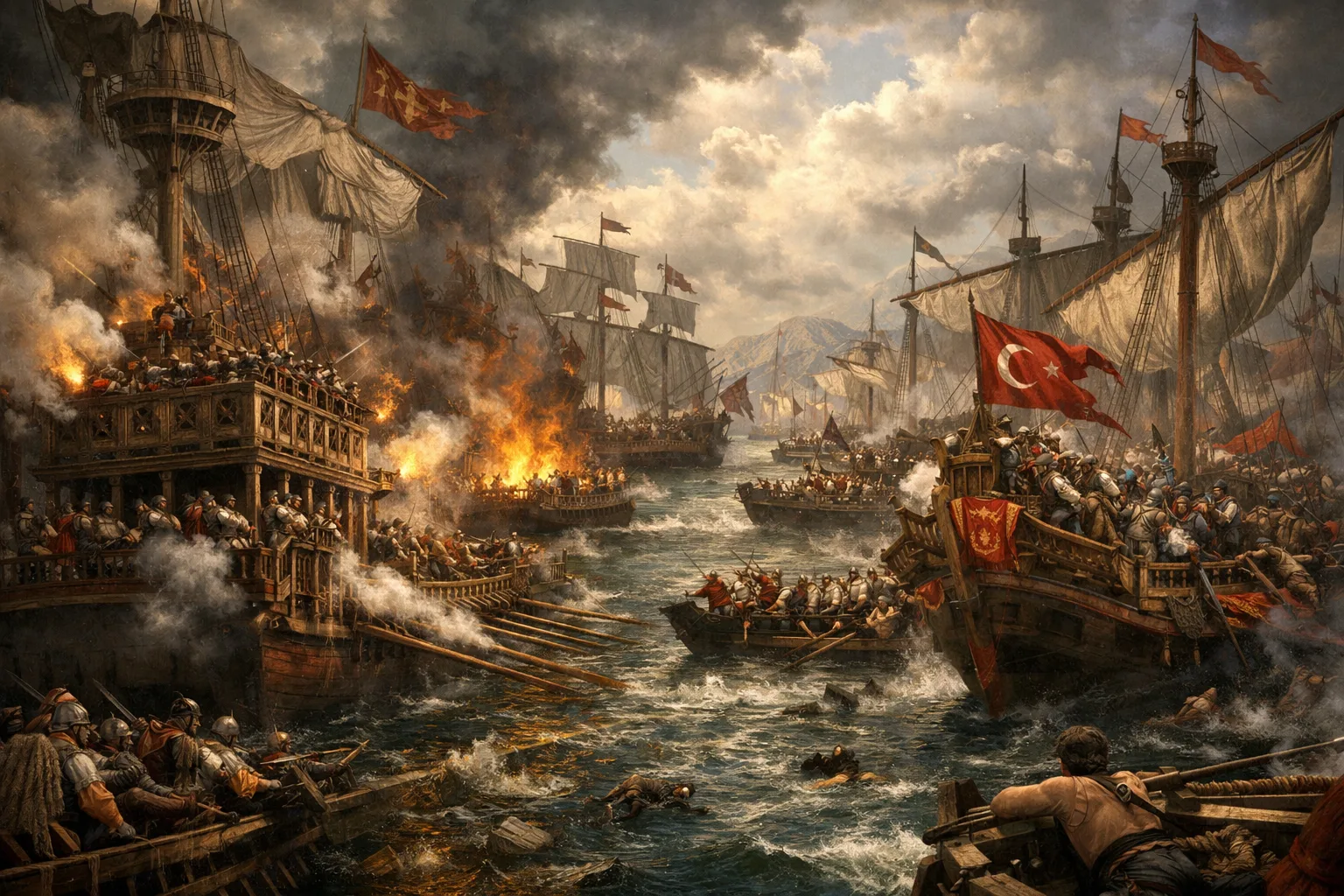
History buffs will note the parallel to earlier naval dominance. Just as the Battle of Lepanto in 1571 demonstrated that naval supremacy could reshape geopolitics, modern carrier groups do the same — only at a scale unimaginable to Renaissance admirals.
Why Did the United States Build So Many?
The U.S. currently operates 11 nuclear-powered aircraft carriers. No other nation has more than two. China recently launched its third. Russia’s lone carrier is barely operational. So why did America go so big?
The answer lies in post-World War II grand strategy. After 1945, the U.S. needed a way to project power globally without maintaining massive land armies everywhere. Carrier strike groups became the answer.
During the Cold War, the Soviet Union developed a large submarine fleet specifically to counter American carriers. This arms race at sea drove innovations in ASW (anti-submarine warfare), stealth technology, and missile defense — all of which shaped the modern CSG.
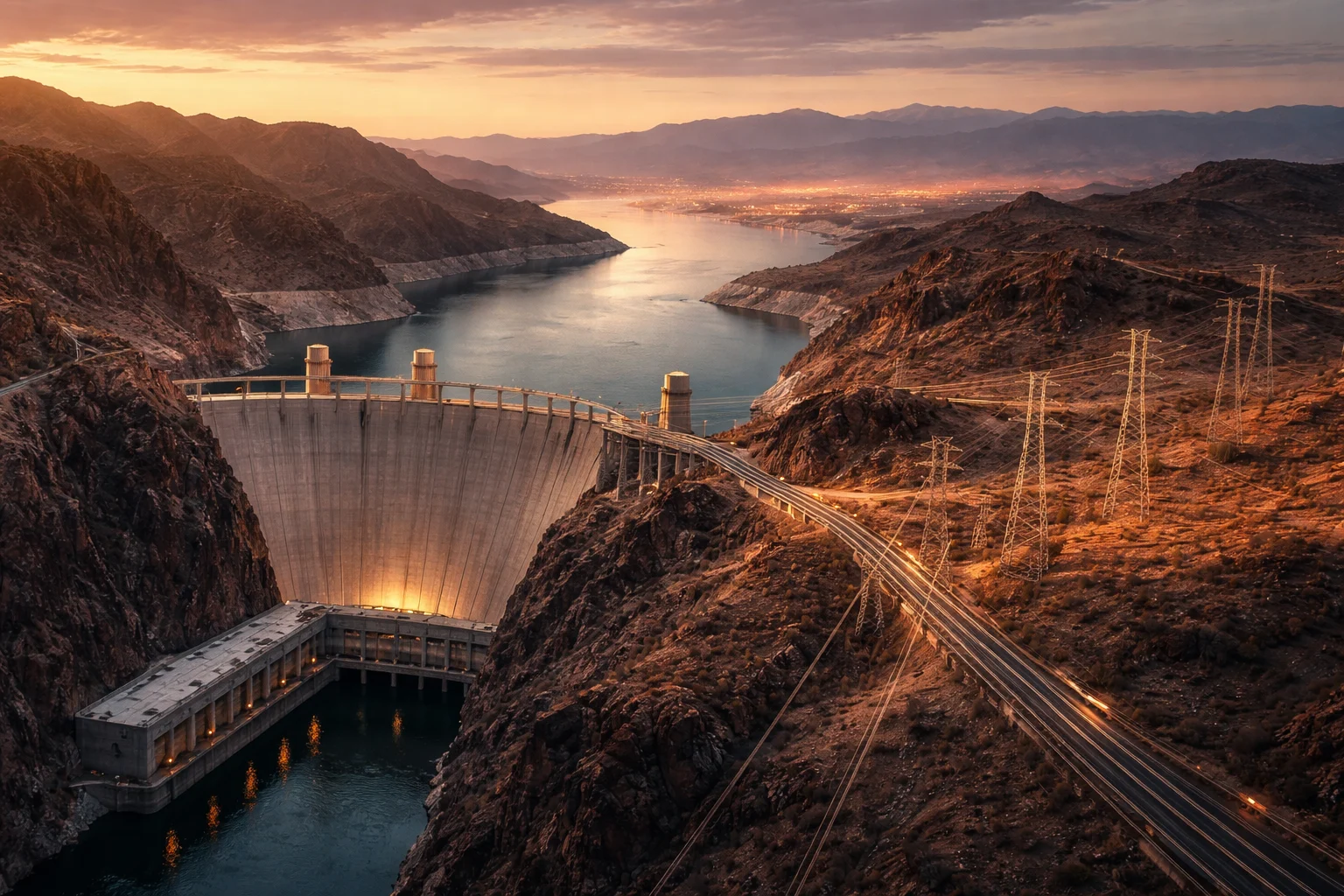
The same strategic logic that drove the construction of massive infrastructure projects like Hoover Dam also applied to carrier programs: big investment, long-term national power. The U.S. bet on carriers, and for 80 years, that bet has paid off.
Today, maintaining 11 CSGs ensures that at least 3 to 4 are deployable at any given moment. This coverage allows the Navy to respond to crises anywhere on Earth within days. No other military force in history has achieved this.
Where Are Carrier Strike Groups Deployed — and Why?
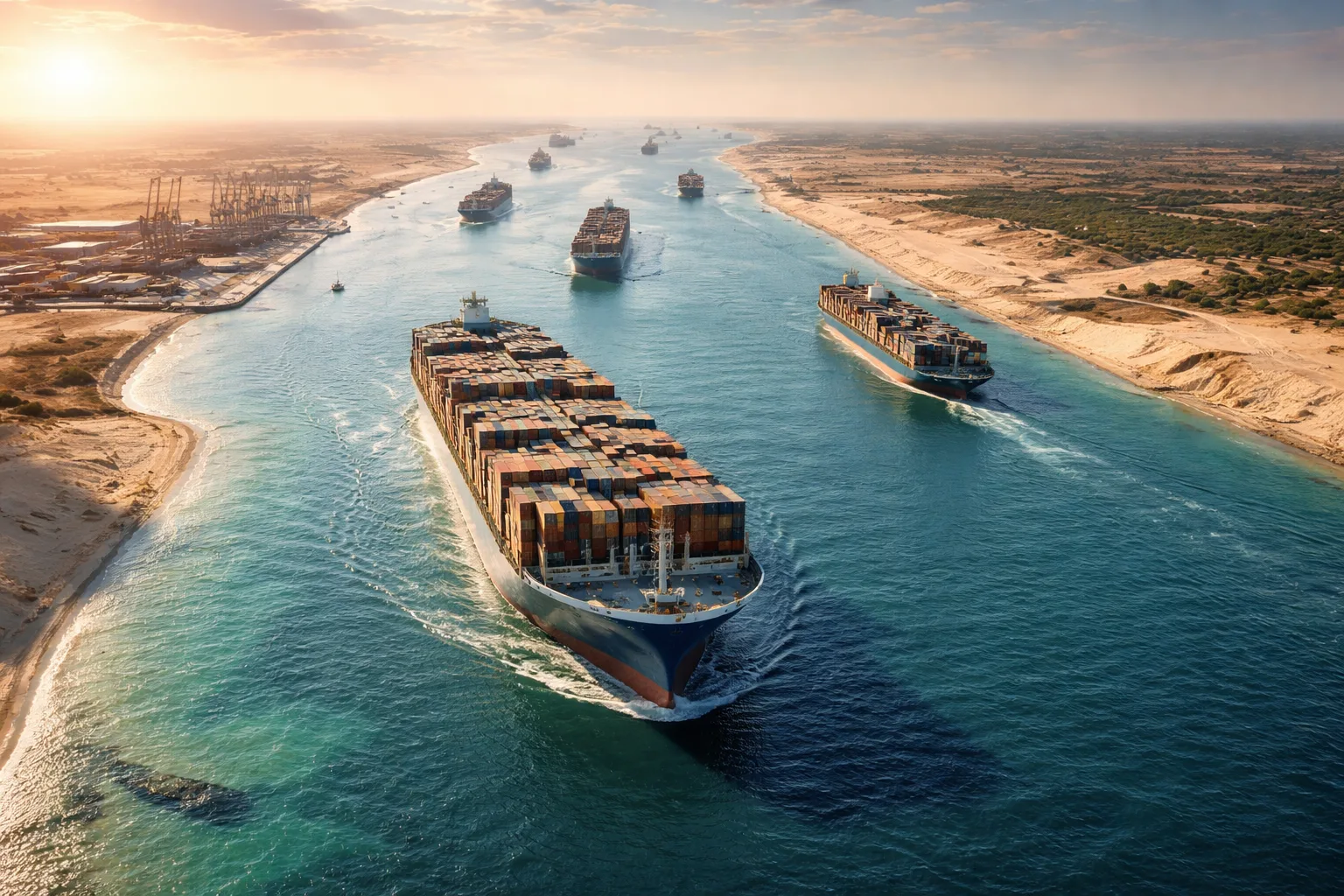
Deployment locations are not random. They follow strategic logic tied to trade routes, alliances, and potential flashpoints. The Suez Canal’s role in global shipping illustrates just how critical certain waterways are — and CSGs are positioned to protect or control them.
The Pacific and the Indo-Pacific Pivot
The Pacific Fleet, based in San Diego and Bremerton, Washington, covers the vast Indo-Pacific region. This area includes the South China Sea, the Taiwan Strait, and sea lanes carrying trillions of dollars in trade annually.
As China expands its naval presence, the U.S. has increased carrier deployments in the region. A CSG in the Philippine Sea sends a clear message without firing a shot. That’s the diplomatic power of these floating airbases.
The Atlantic and Mediterranean Presence
The Atlantic Fleet operates from Norfolk, Virginia — the largest naval station in the world. Mediterranean deployments keep a watchful eye on NATO’s southern flank, the Middle East, and North Africa. During Gulf War operations, multiple CSGs operated simultaneously in confined waters — a logistical and tactical feat.
The logic of controlling strategic passages is ancient. Early mapmakers understood geography as power — as shown by how Ptolemy’s first world maps shaped empires. Today, carrier groups enforce that geographical power in real time.
What Are the Biggest Threats to a Carrier Strike Group?
No weapon system is invincible, and CSGs face real, evolving threats. Understanding these vulnerabilities explains why the Navy continuously upgrades its technology and doctrine.
Anti-Ship Ballistic Missiles
China’s DF-21D and DF-26 “carrier killer” missiles are designed specifically to target CSGs at long range. These ballistic missiles can potentially reach a carrier from over 1,000 miles away. They’ve forced the Navy to rethink carrier operations in contested zones like the South China Sea.
The Aegis system and new SM-6 interceptors are the primary countermeasures. But as missile technology improves, so must the defense. It’s a technological arms race with no finish line — similar in spirit to the energy rivalries explored in the Edison vs. Tesla power grid battles.
Submarine Threats
Modern attack submarines — especially quiet diesel-electric variants — remain a serious concern. They’re slow but stealthy. A submarine inside a CSG’s defensive perimeter is a nightmare scenario. This is why the attack sub in the CSG is so critical: it hunts the hunters.
Drone and Hypersonic Missile Swarms
The newest threat comes from drone swarms and hypersonic glide vehicles. These weapons travel at Mach 5+ and can maneuver mid-flight, making interception extremely difficult. The Navy is currently investing heavily in directed-energy weapons (lasers) and new intercept technologies to counter this threat.
How Have Carrier Strike Groups Changed History?
CSGs have shaped global events in ways that rarely make front-page news. Their presence — or absence — has determined the outcome of crises.
In 1996, China fired missiles near Taiwan to intimidate voters during their first democratic presidential election. President Clinton responded by deploying two carrier strike groups to the Taiwan Strait. China backed down. No shots were fired. That’s the deterrent value of a CSG in action.
During the 1991 Gulf War, six carrier battle groups operated in the region — the largest concentration since World War II. They flew thousands of sorties and helped set the conditions for one of the most decisive military victories in modern history.
The same kind of geographic control that trade cities like Petra once exercised over ancient trade routes is now exercised by carrier groups over modern sea lanes. The tools change; the logic doesn’t.
Even humanitarian missions reflect their power. After the 2004 Indian Ocean tsunami, the USS Abraham Lincoln CSG was among the first responders, delivering food, water, and medical supplies to isolated communities. Carrier groups don’t just wage war — they project American values and capabilities in times of crisis.
What Does the Future Hold for Carrier Strike Groups?
The carrier debate has never been more active. Critics argue that large carriers are too expensive, too vulnerable, and too concentrated. Supporters counter that nothing else delivers the same combination of credible deterrence and operational flexibility.
The Gerald R. Ford Class: Next-Generation Carriers
The USS Gerald R. Ford (CVN-78) represents a $13 billion leap in carrier technology. It features electromagnetic aircraft launch systems (EALS) replacing steam catapults, advanced arresting gear, dual-band radar, and increased sortie generation rates. It’s designed to operate with fewer crew members thanks to automation.
The Ford class also incorporates lessons from decades of Cold War strategy. Just as the Interstate Highway System transformed American infrastructure thinking, the Ford class is transforming how the Navy thinks about naval power projection.
Unmanned Systems and AI Integration
The MQ-25 Stingray is already being integrated into carrier air wings. This unmanned aerial vehicle serves as a tanker, extending the range of manned fighters significantly. Future iterations may carry weapons, further expanding the CSG’s reach without risking pilots.
Artificial intelligence is being integrated into threat detection and fleet coordination. The Navy’s Project Overmatch aims to network all CSG assets — ships, aircraft, submarines, and drones — into a single, AI-assisted combat management system. The carrier strike group of 2040 may look very different from today’s.
The Navy’s early history of confronting threats overseas set a precedent. The Barbary Pirates conflict showed America’s first use of naval power projection — a tradition the carrier strike group embodies at the highest level today.
Meanwhile, the broader geopolitical context keeps evolving. Just as the Dust Bowl migrations reshaped American politics and demographics, shifting global power dynamics are reshaping how the Navy plans for the future. The rise of China, Russia’s behavior in Europe, and instability in the Middle East all feed directly into carrier deployment schedules and shipbuilding priorities.
The U.S. also faces budgetary pressures. Each carrier costs over $13 billion to build and roughly $2–3 million per day to operate when deployed. Congress debates regularly whether to reduce the fleet or maintain it. So far, the carrier has survived every round of budget cuts — a testament to its strategic value.
For those interested in how nations have historically leveraged geography and power to control resources, the story of the Ghana Empire’s gold trade dominance offers a fascinating parallel — a different era, but the same fundamental drive to control the flow of value across the world.
Similarly, the concept of exploration and reaching the extremes of geography — so central to the great polar expeditions race — resonates with how the U.S. Navy constantly pushes toward the edges of contested maritime space.
What’s clear is this: as long as 80% of global trade moves by sea, as long as geopolitical rivals challenge American interests, and as long as crisis response demands speed and scale — the carrier strike group will remain indispensable. It is the ultimate expression of seapower in the 21st century.
For further reading on U.S. naval doctrine and fleet composition, visit the official U.S. Navy website and the Center for Naval Analyses, a federally funded research institution that has shaped American naval strategy for decades.