The Story of Christopher Columbus First Voyage
Christopher Columbus First Voyage began in 1492 and set in motion a global transformation. In this guide, we retrace the route, the decisions, and the consequences that followed. For broader context on his life, see the complete biography of Christopher Columbus. To understand the geopolitical backdrop after 1453, explore this evidence-led investigation into the Fall of Constantinople.
Historical Context of Christopher Columbus First Voyage
In 1492, Europe was shifting. Spain had just taken Granada, ending centuries of conflict on the Iberian Peninsula. The crown now had attention—and funds—to test bold ideas. Columbus argued that a westward route to Asia would shorten trade paths and enhance Spanish prestige.
Genoese by birth and Iberian by opportunity, Columbus blended sailor’s craft with relentless persuasion. He won backing from Ferdinand and Isabella. Three ships were fitted at Palos: the Santa María, the Niña, and the Pinta. Provisions, instruments, and a mixed crew came together around a risky plan.
Mariners already knew Atlantic winds. Portuguese pilots mapped the volta do mar. Columbus would ride the northeast trades west, then return on higher-latitude winds. Financing came from royal support and investors, as summarized in Britannica’s first voyage overview.
The expedition paused at the Canaries for repairs, then set out across unknown distances. The calendar mattered. Autumn seas offered steady trades, though storms remained a threat. This gamble opened the Age of Expansion, and prefigured the scale and purpose of the Second Voyage that followed.
Key Facts and Eyewitness Sources
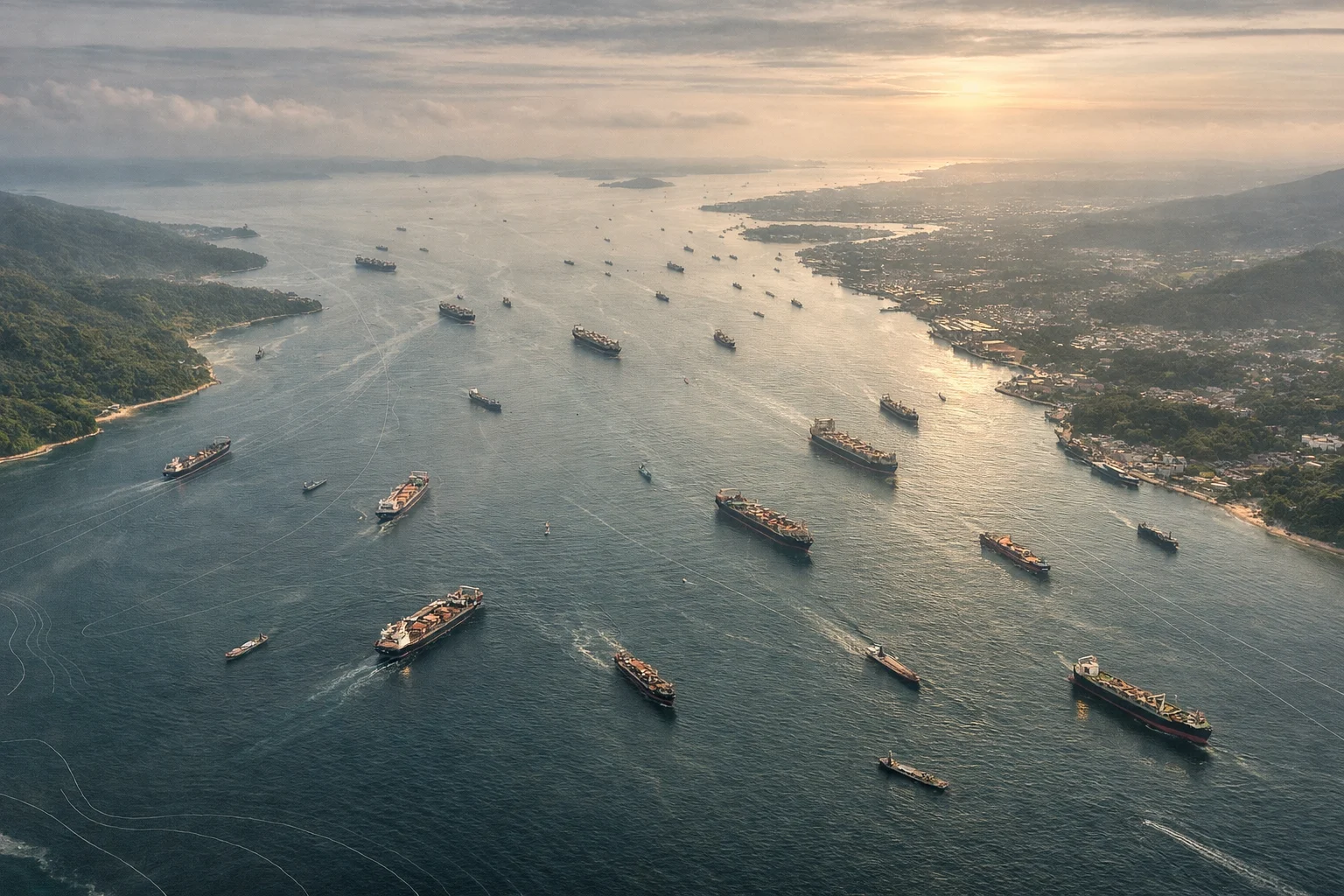
Columbus departed Palos on August 3, 1492. After the Canary stop, he left La Gomera on September 6. From there, the Atlantic passage took about 36 days. The crews observed weeds, birds, and shifting winds—classic signs of land. Anxiety rose as days stretched on without sighting a coast.
Landfall came on October 12, at an island he named San Salvador, known to its inhabitants as Guanahani. The precise location is debated among Bahamian islands. Columbus recorded first impressions of the Taíno, noting hospitality, trade, and potential for conversion. He also searched for gold and strategic harbors.
Primary testimony survives through a partial transcription by Bartolomé de las Casas. The translated journal (Las Casas transcript) preserves daily notes about weather, currents, and encounters. It shows the routine of a captain balancing navigation, morale, and royal expectations.
By late December, the Santa María ran aground off Hispaniola. Timber from the wreck formed La Navidad, the first European outpost in those waters. Columbus returned to Spain in March 1493 to report his achievements. The public letters that followed fueled a wave of expeditions and claims. These documents let us reconstruct the practical arc of Christopher Columbus First Voyage with unusual granularity.
Analysis / Implications
Christopher Columbus First Voyage did not reach Asia. Yet it revealed a reliable transatlantic corridor. The path from the Canaries westward and the mid-latitude route home became a maritime highway. That corridor reshaped commerce, war, and empire.
The voyage linked ecosystems and economies that had evolved apart. In time, crops, animals, pathogens, and ideas crossed the ocean in both directions. The Columbian Exchange would enrich some regions and devastate others, especially through disease and forced labor.
The expedition also altered political maps. Spanish claims accelerated rival ventures. Portugal pressed for legal clarity, leading to the Treaty of Tordesillas in 1494. Later explorers, from Cabot to Magellan, tested rival routes and strategies. For a sense of how circumnavigation recast geography, see this biography of Ferdinand Magellan. These dynamics started with the logistical and narrative power of Christopher Columbus First Voyage.

Case Studies and Key Examples
Winds and Currents: Columbus used dead reckoning, solar observations, and mariner’s lore. He chose September for steady trades and banked on a northern return. The pattern worked. It became the backbone of transatlantic shipping lanes for centuries.
Morale Management: Accounts describe a worried crew as days stretched on. Columbus paced announcements of distance and signs of land. Floating weeds, birds, and color shifts in the sea were carefully logged. These cues kept hope alive when sextants and chronometers did not exist.
Settlement and Loss: The grounding of the Santa María on December 24–25, 1492 forced improvisation. La Navidad arose from wreckage but collapsed before Columbus returned. This early post became a case study in fragile colonization and local relations.
Aftershocks in Later Voyages: The first expedition unlocked larger fleets and firmer aims. The Third Voyage reached South America, widening Europe’s lens on the Atlantic world. The storm-tossed Fourth Voyage tested persistence against hurricanes, reefs, and politics. These episodes show how lessons from Christopher Columbus First Voyage shaped strategy, logistics, and propaganda.
Conclusion about Christopher Columbus First Voyage
Christopher Columbus First Voyage is a hinge in world history. It created a replicable path across the Atlantic, while igniting competition, colonization, and cultural upheaval. The journal captures small choices—sails trimmed, courses altered—that produced outsized consequences. The legacy includes scientific exchange and grim exploitation, intertwined from the start.
Understanding this moment requires both navigation and nuance. Cross-check eyewitness voices with modern analysis. Read widely across empires and timelines. To challenge old seafaring legends with evidence, see these myths about the Phoenicians and the sea. For a wider cultural lens on continuity and change, consider this myth-busting guide to the Renaissance “turning point”. The first crossing remains a story of risk, craft, and consequences that still shape our maps and minds.