Why Venezuela Matters: Understanding Venezuela importance in Global Politics
Venezuela importance sits at the crossroads of energy, geography, and great-power rivalry. This nation holds vast oil reserves and anchors critical sea and air routes in the Americas. To grasp its weight, start with the country’s resources explained in Venezuela’s natural resources and the leadership profile in Nicolás Maduro’s biography. These foundations clarify why any shift in Caracas can ripple from Caribbean supply chains to Asian refineries.
Historical Context
From Oil Discovery to Cold War Frontline
Venezuela’s modern story began with early twentieth-century oil discoveries. By the 1920s, exports soared, financing cities, roads, and social programs. During the Cold War, Washington watched closely. Proximity to the Caribbean and the Panama corridor placed Caracas in the U.S. security lens. Later, the Bolivarian project reframed alliances, courting Moscow, Beijing, and Tehran. This arc laid the groundwork for today’s debates about Venezuela importance in a world of contested influence.
Atlantic Roots and Regional Interdependence
Long before pipelines, the northern rim of South America drew outsiders. Early European voyages mapped coasts, rivers, and winds that still shape trade. For a period window into these routes, see the Orinoco-laced coastlines in the Third Voyage of Columbus and the storm-tossed Caribbean circuits of his Fourth Voyage. These passages connected Venezuela to a wider Atlantic economy. The past explains why ports, refineries, and flight corridors remain strategically dense today.
Key Facts and Eyewitness Sources
Reserves, Production, and Sanctions
Venezuela holds the world’s largest proven crude reserves—about 303 billion barrels—concentrated in extra-heavy crude belts. Yet output has lagged due to underinvestment and sanctions. The paradox is stark: fossil riches, constrained barrels, and a state budget tied to volatile prices. Authoritative energy data confirm this reserve scale and its global share (U.S. EIA, 2024). These numbers underwrite the enduring Venezuela importance to energy markets, even when production dips.
People on the Move and Lived Testimony
Economic collapse and political conflict have driven one of the world’s largest displacement crises. Governments now count nearly 7.9 million Venezuelan refugees and migrants, reshaping labor markets and social services across the Americas (UNHCR). Border towns, shelters, and community groups provide the clearest “eyewitness” record. Their experience captures how hydrocarbons and politics translate into household risk—and why Venezuela importance is not only a matter of oil but of people.
Analysis / Implications
Energy Leverage in a Transition Decade
Hydrocarbon abundance makes Caracas a swing factor during supply squeezes. Even modest increases in heavy crude flows can redirect refining runs from the Gulf Coast to Asia. That flexibility feeds the narrative of Venezuela importance beyond OPEC meetings. As the world decarbonizes, residual demand for heavy grades, petrochemicals, and aviation fuels still creates bargaining space for Venezuela—if governance, financing, and technical partnerships improve.
Geopolitical Balancing and Regional Stability
Alignments with Russia and China counter U.S. pressure, while neighbors like Colombia and Brazil absorb migration and security spillovers. Caribbean states feel fuel diplomacy in electricity bills and ferry routes. Historical depth matters here: pre-colonial and colonial networks made northern South America an entrepôt of ideas and goods. For deep background on regional knowledge systems, see how the Maya shaped power and calendars. The lesson is institutional: logistics, not slogans, decide staying power.

Case Studies and Key Examples
Petro-Diplomacy and Refining Realities
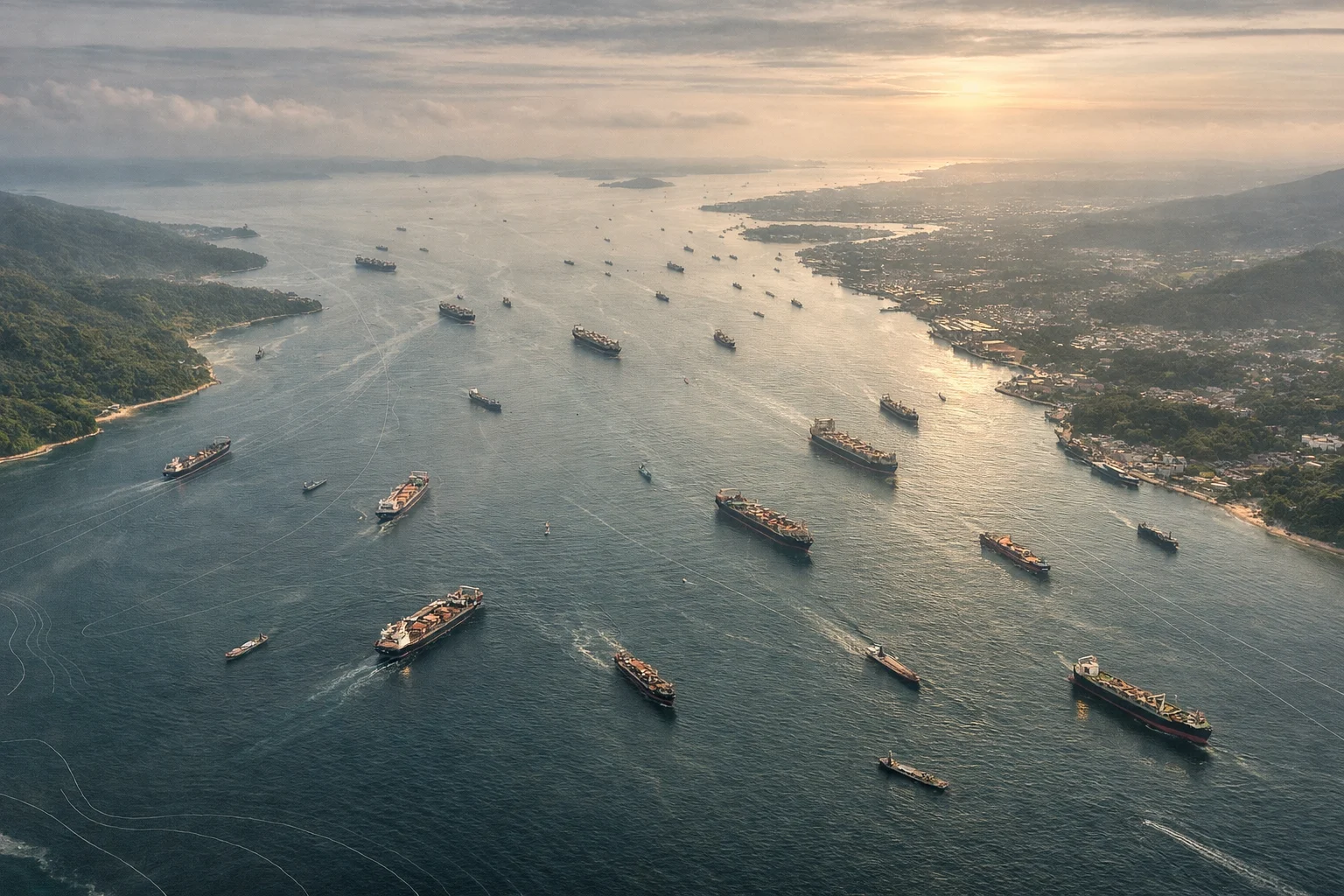
When sanctions tightened and investment fell, output declined, but heavy crude still found pathways. Traders rerouted cargoes; refineries adjusted slates. The Orinoco Belt’s extra-heavy requires diluents, specialized upgraders, and steady capital. These constraints amplify Venezuela importance whenever disruptions hit elsewhere—from hurricanes in the Gulf to labor strikes beyond the Atlantic. Maritime chokepoints in the Caribbean, near key Venezuelan ports, turn shipping windows into geopolitical clocks.
Migration as a Strategic Variable
Nearly 7.9 million Venezuelans abroad alter budgets, politics, and bilateral ties. Remittances, regularization programs, and border management become security issues. Historical parallels help frame this. Food system shocks in nineteenth-century Ireland triggered mass movement and reform debates; a compact overview is in this note on the Irish Famine’s lessons. Today, regional plans for health, schooling, and legal status show how human mobility has become a core dimension of Venezuela importance.
Conclusion
Venezuela’s oil endowment, sea lanes, and alliances keep it central to hemispheric strategy. The data—reserves, output bottlenecks, and migration totals—ground the headlines. The choices ahead are practical: rebuild capacity, widen humanitarian access, and calibrate diplomacy to reopen finance and technology channels. Those steps would turn latent wealth into stability, tempering shocks for neighbors and buyers alike.
For more context on early Atlantic routes that first tied this coast to global circuits, revisit Columbus’s Second Voyage. And for a broader synthesis focused squarely on policy and markets, explore this complementary overview of why Venezuela matters. Taken together, they explain why Venezuela importance is not a headline fad but a durable feature of world politics.